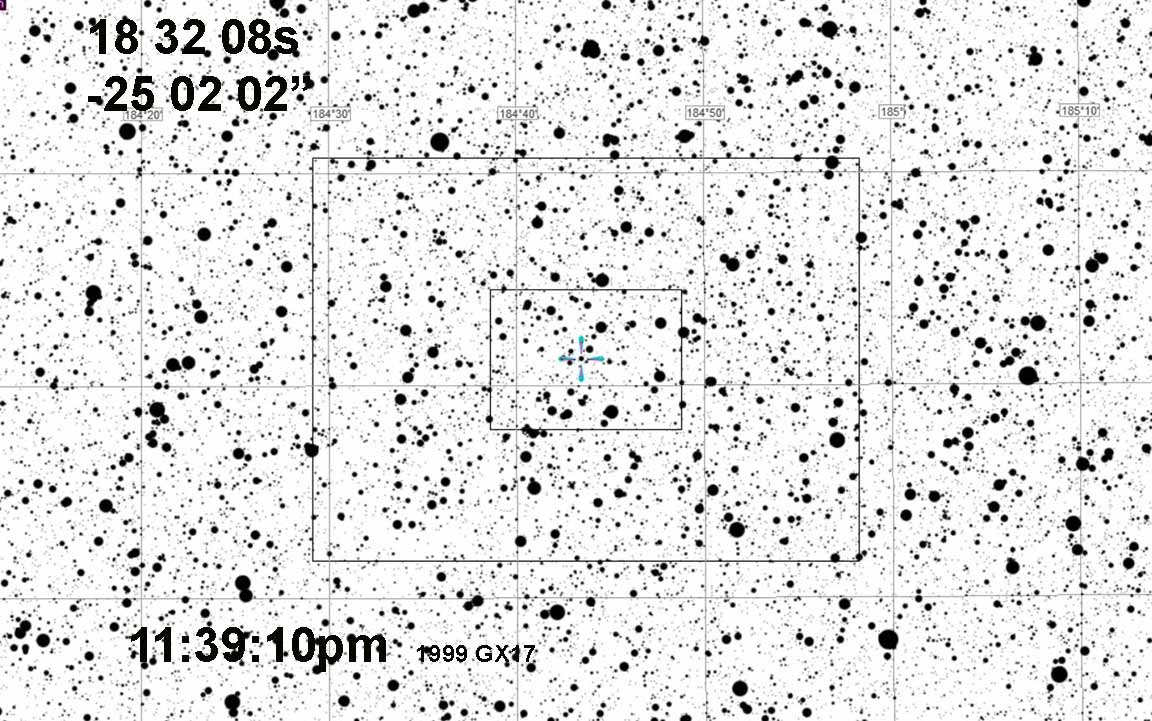
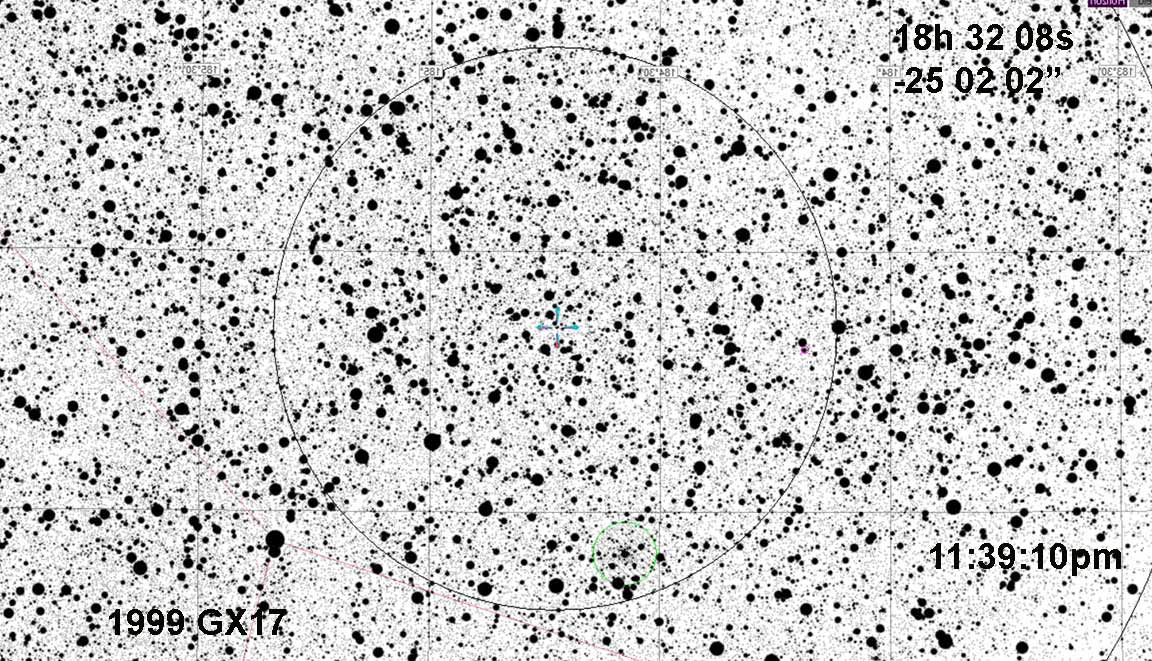
This is a do-able event in good conditions. A very red star V=13.0 but W=12.5. You may need 8x.
Alt=27 Az=189 in Sagittarius, only 2 degrees upper left of the tippy top of the Sagittarius Teapot
|
|
Richard Nolthenius
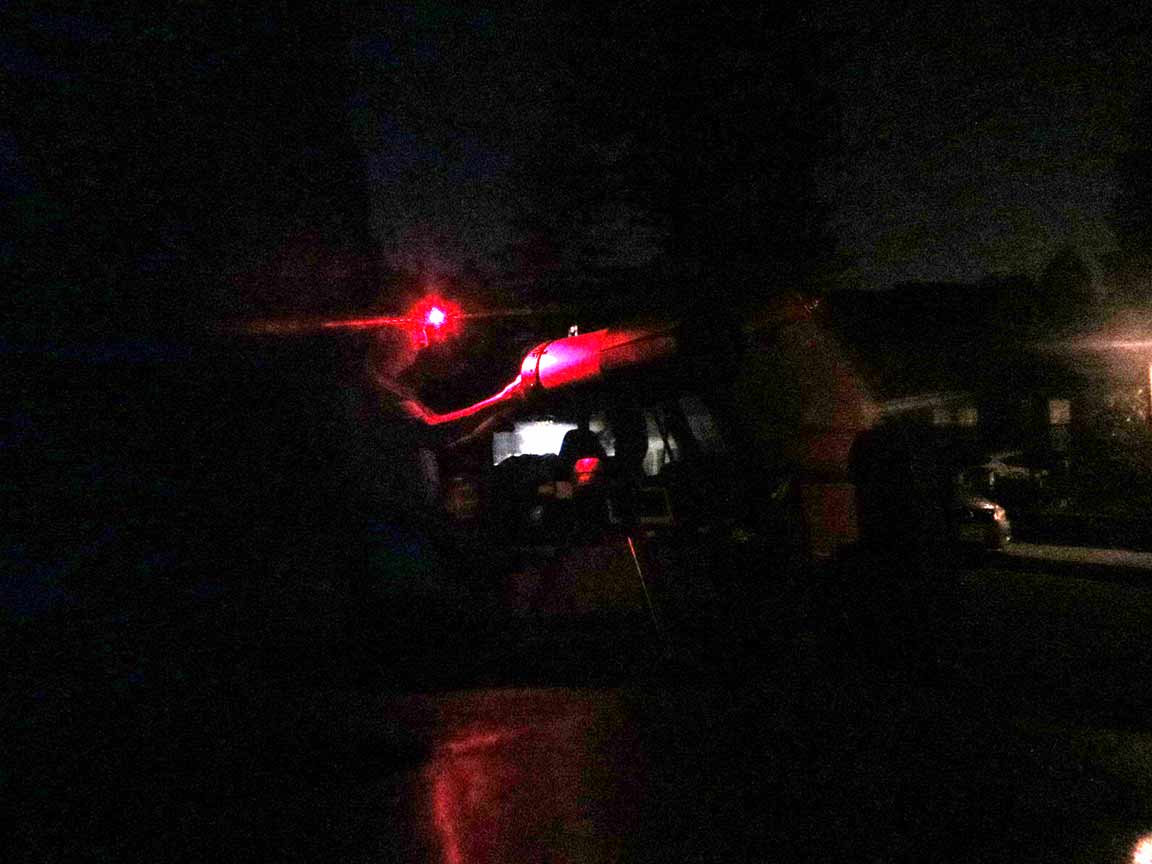
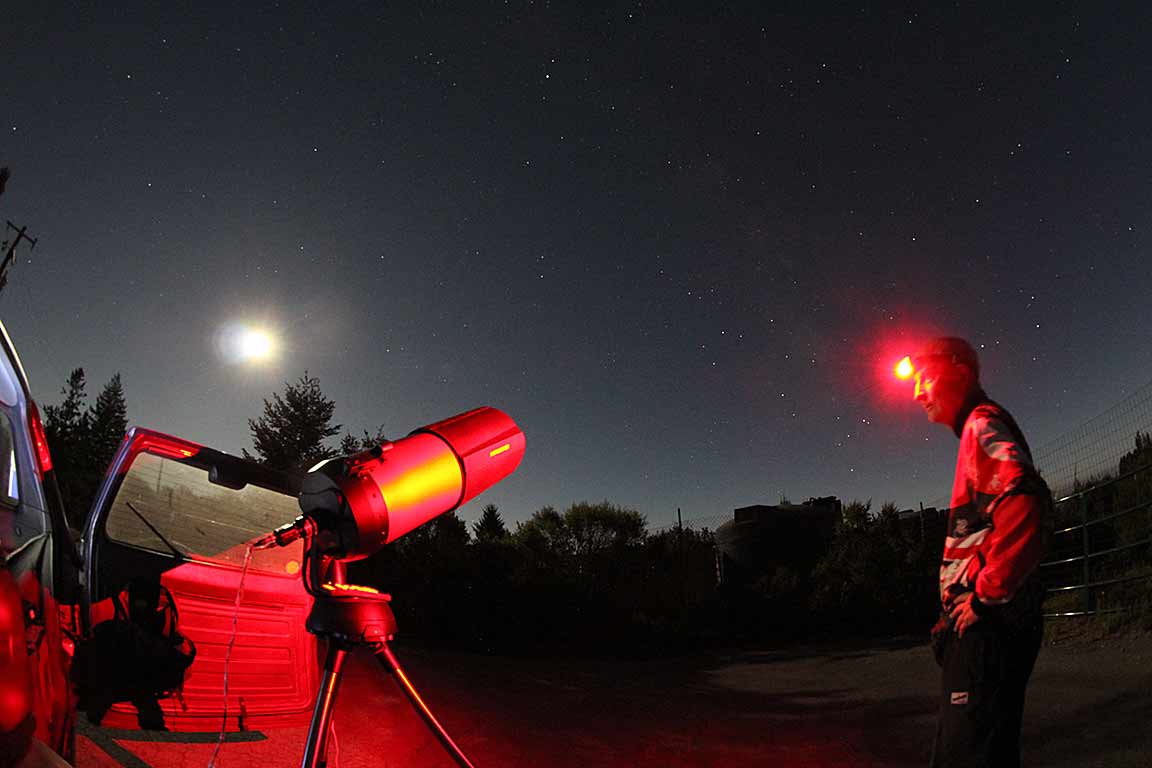
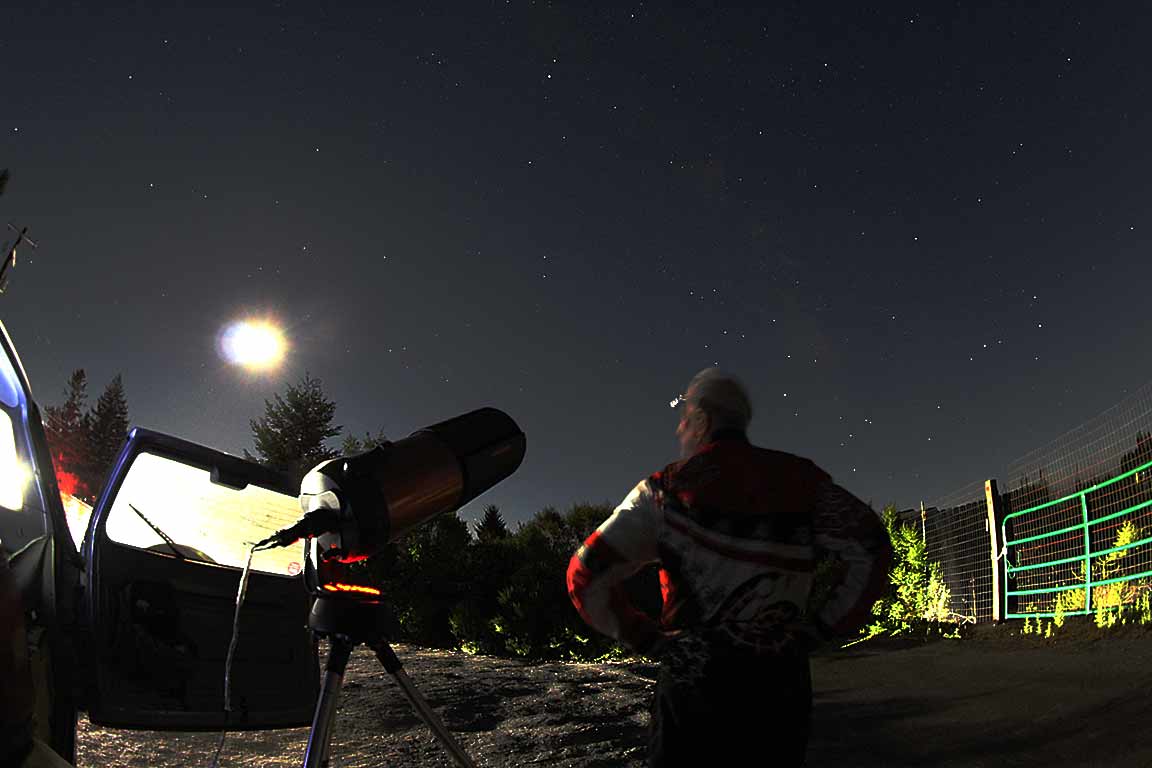
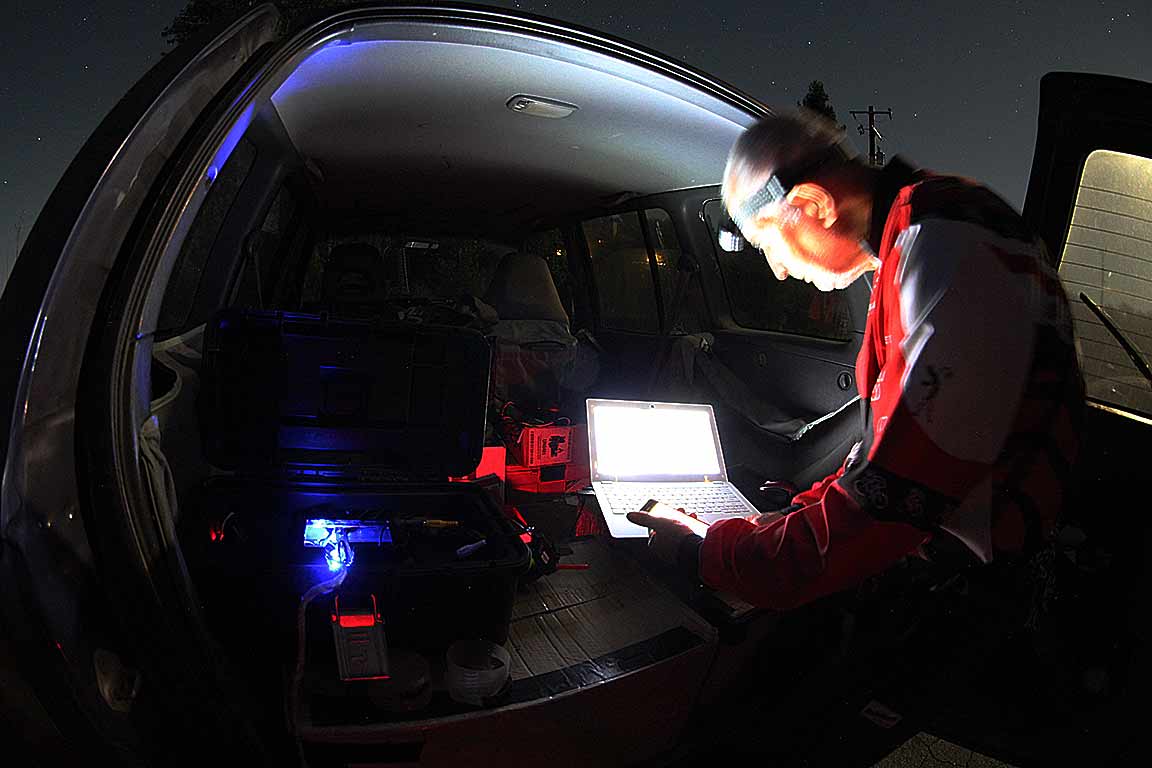
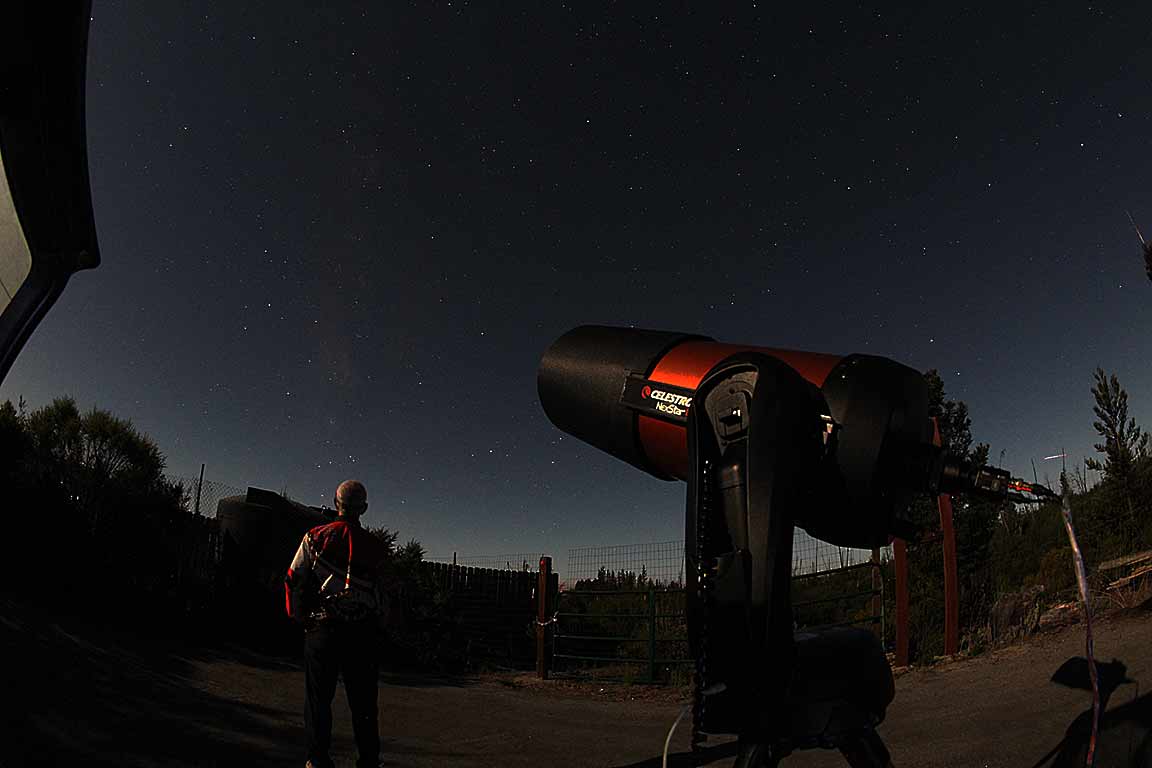
I got a recording at 8x from PineRidge cul-de-sac in BD. Clear skies with no clouds visible, Cool but did not feel damp. I drove through light fog coming up through Cave Gulch. I got on target quickly. Spent a good amount of time trying to optimize focusing. The seeing was mediocre. I also used the air bulb on the camera and that seemed to remove whatever was sitting on the chip window visible during the Hanakusa event an hour earlier from home. I watched on the Lenovo monitor during the critical time and I think it was a miss. But, too faint and variable to tell visually.
 |
 |
 |
 |
 |
 |
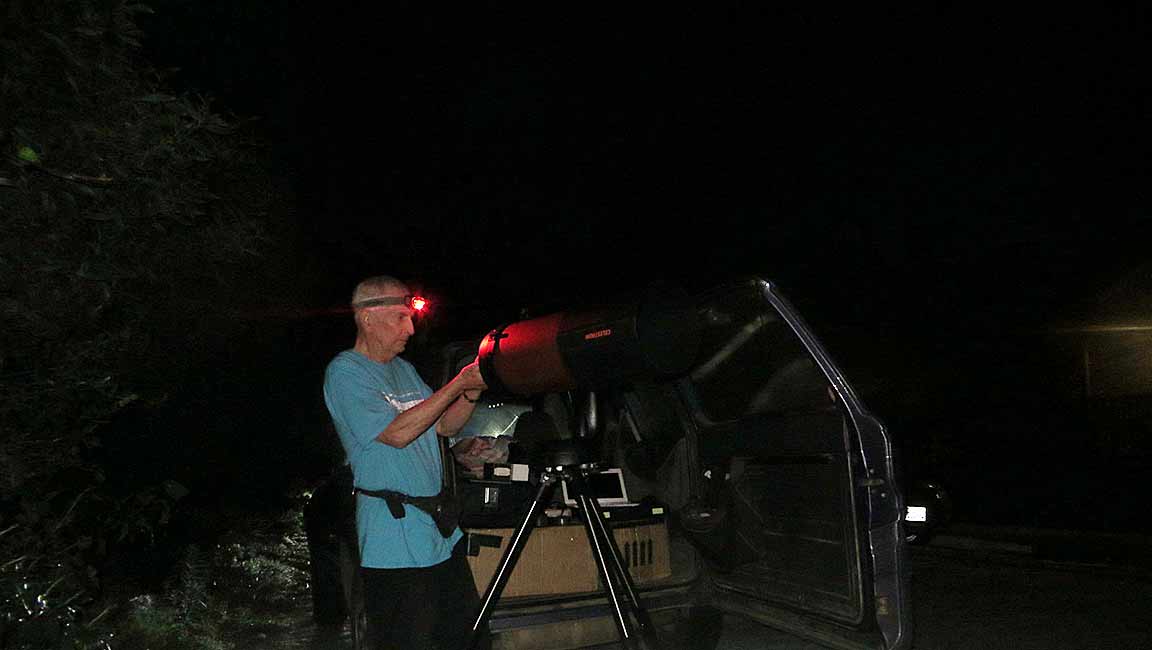
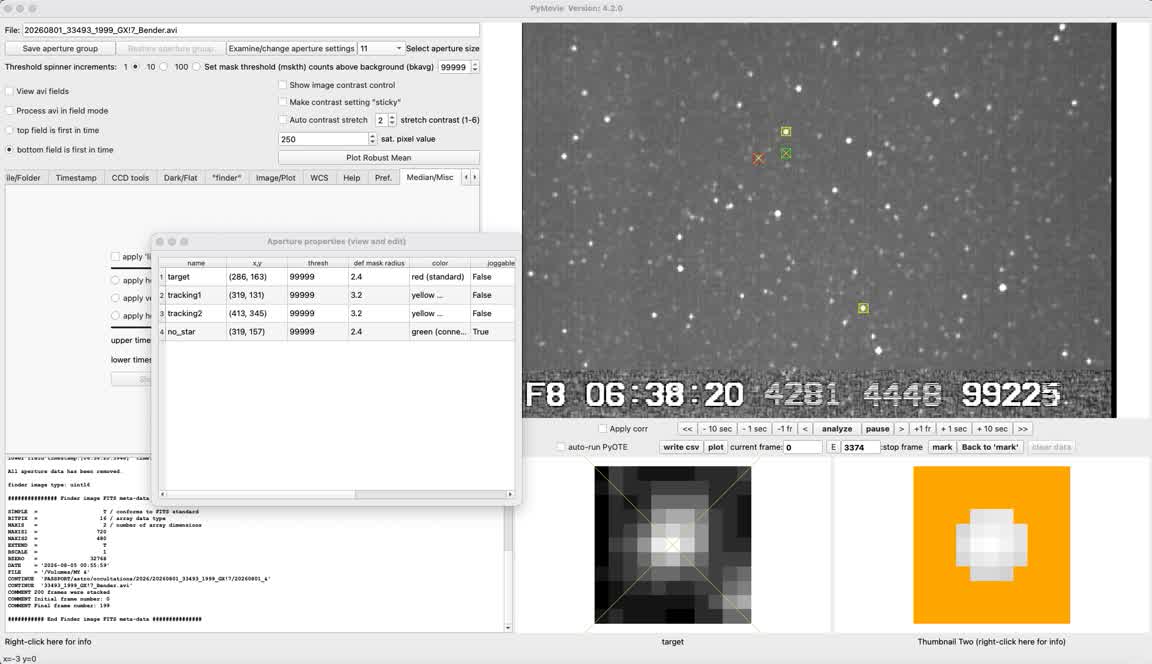
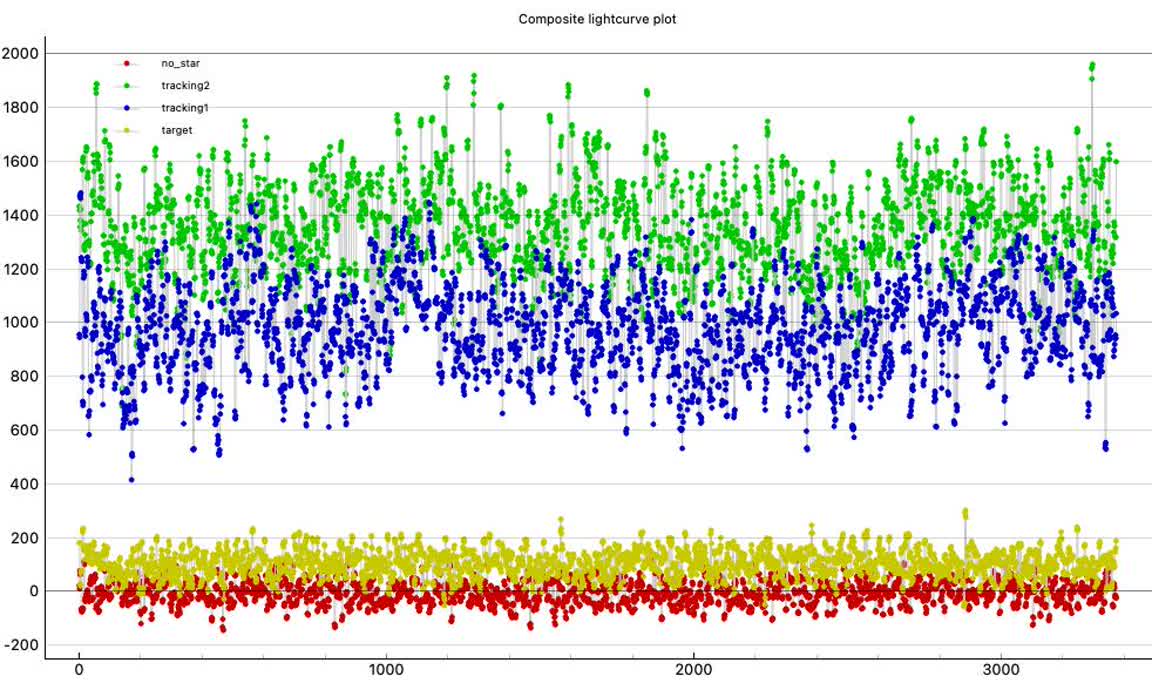
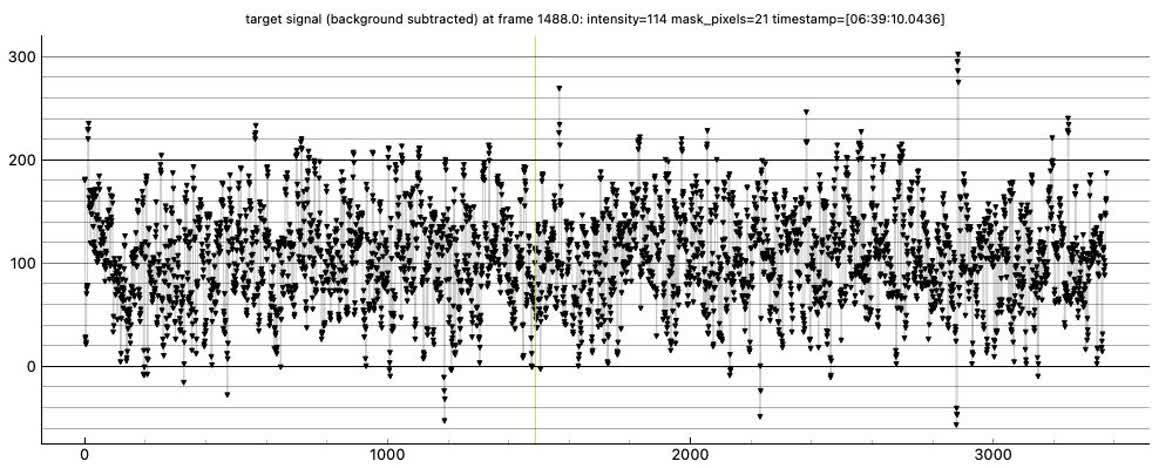
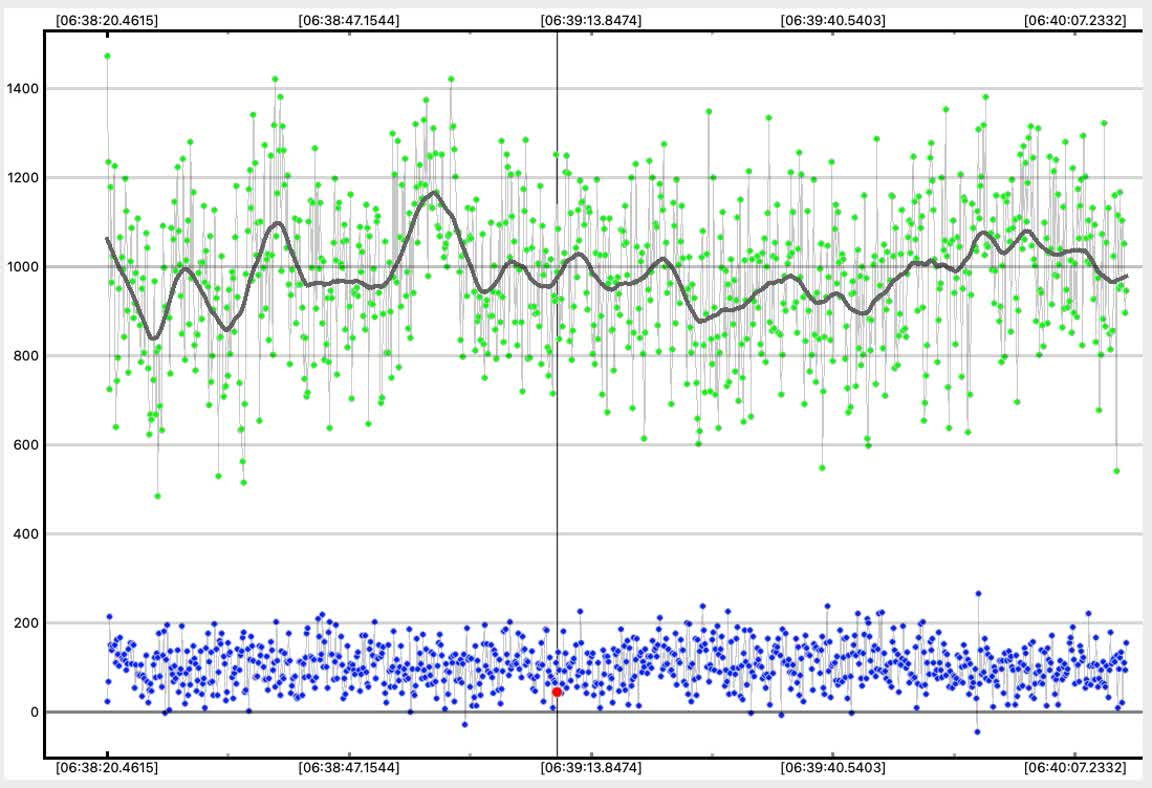
Observed from "the Berm" at 8x. I don't see an event for 1999 GX17, 8x at the Berm, July 31. Target was dim, barely above no-star, maybe I should have used 16x. I tried several mask sizes, still no event, results attached are for size 2.4. Field was crowded, I used a size 11 aperture in PyMovie. PyOTE detectability tool reports an event as short as 0.670s would likely be detectable, max predicted was 0.79s. A miss or too dim or too short to detect.
 |
 |
 |
 |
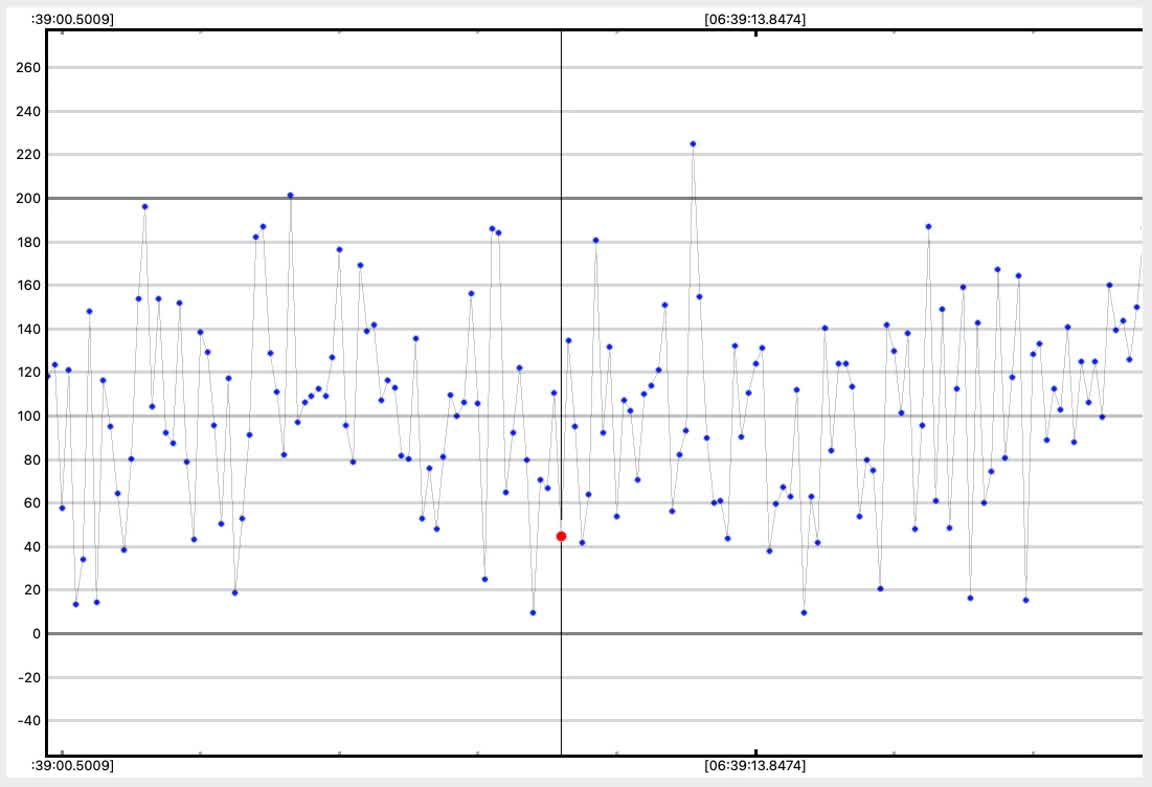 |
Observed from home. Looked like a miss, he says, but I'd be surprised if he could see it well enough on the monitor to be sure, unless he was integrating so long as to make the 0.8s event not be possible