The Occultation of a W=13.0 Star by Space Mission Asteroid (88055) Ghaf for 0.6s
Sunday morning 1:49:45am June 14, 2026 at Carrizo Plain National Monument. 1:49:51am at Arroyo Grande.
This is a high value event, needed to better characterize this asteroid's orbit and shape in preparation for a much larger occultation campaign later, to better place observers (and of course hope for good weather). The asteroid is the target of a space mission by the United Arab Emerites to this object... Below is from the IOTA message board:
"This is a target asteroid of the UAESA's Emirates Mission to the Asteroid Belt and we are hoping to deploy larger campaigns later this summer to fully characterize the body. However, the uncertainty in the astrometry of the asteroid is on the order of the shadow width and we would like to reduce this as much as possible. There is an opportunity to observe an occultation by Ghaf over much of the central and western United States, passing over southwestern Wyoming and between San Francisco and Los Angeles, near large occultation communities in Colorado and California, respectively. We believe even a single positive chord would be incredibly useful in preparing for a large campaign."
Alt=31, Az=164 from Carrizo Plain, in Sagittarius in the bottom of the "teaspoon" asterism
Site selection: Not yet obvious if fog will be a problem in the coastal planes area of Arroyo Grande. It doesn't look easy to get inland from around there and be confident of fog free, and so I may just decide to opt for Carrizo Plain if there's any doubt. It would still be a out/back and no camping trip, however. I too have much to prepare for in the coming week, especially the Varda occultation at Fremont Peak and then Code/Astro at UCSC.
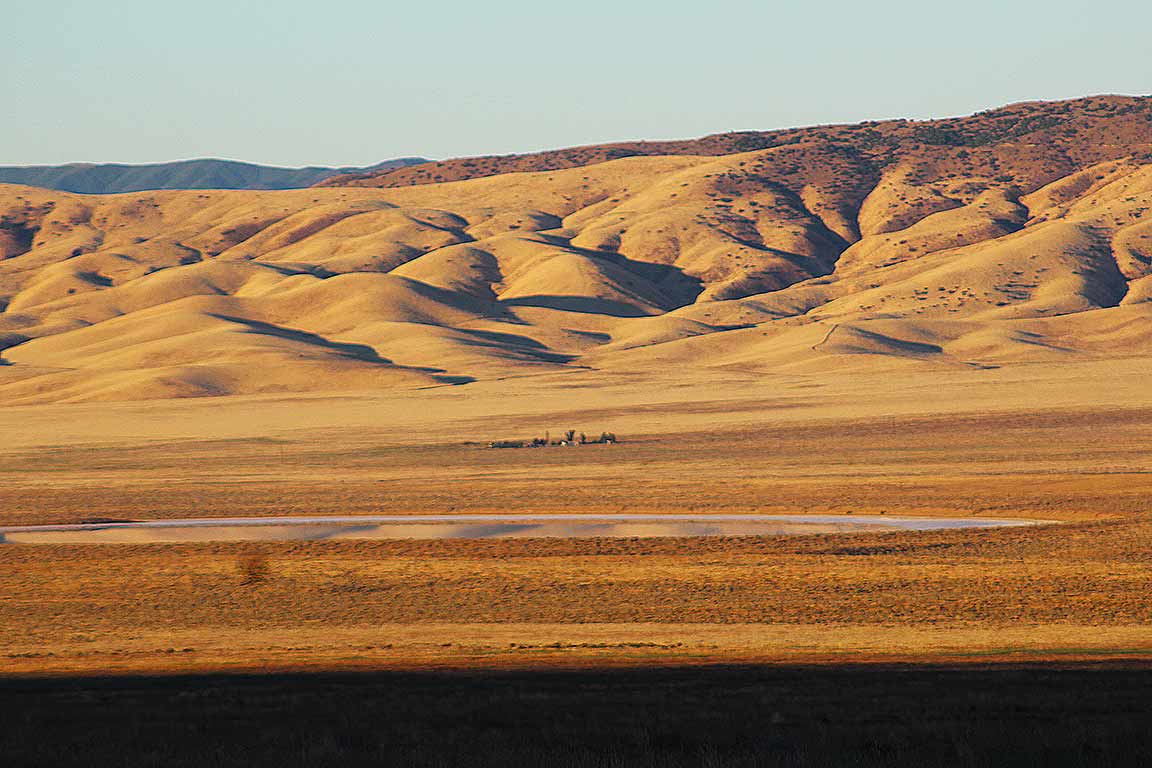
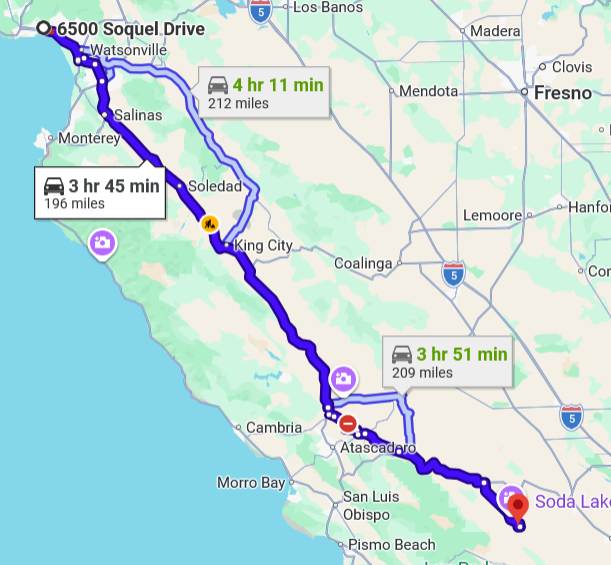
Fri eve - To guard against fog and give ourselves the highest elevation and darkest site, we'll go to Carrizo Plain. It' THE perfect place for asteroid occultations. Great horizons, no people, lots of rectangular grid dirt roads from an aborted attempt decades ago to build a city out there. It'll be no problem placing ourselves on the proper track lines. It'll take a bit longer to drive there, however. 3hr 50 minutes says Google Maps. Be sure to fill your gas tank in Paso Robles, the last gas before the roads to Carrizo, and the first gas on the way back. Offramp to Hwy 46 is what we want. There's a Chevron station there too, and the college van has a credit card but only for Chevron gas.
Finder Charts:
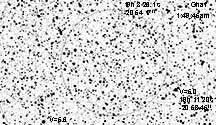
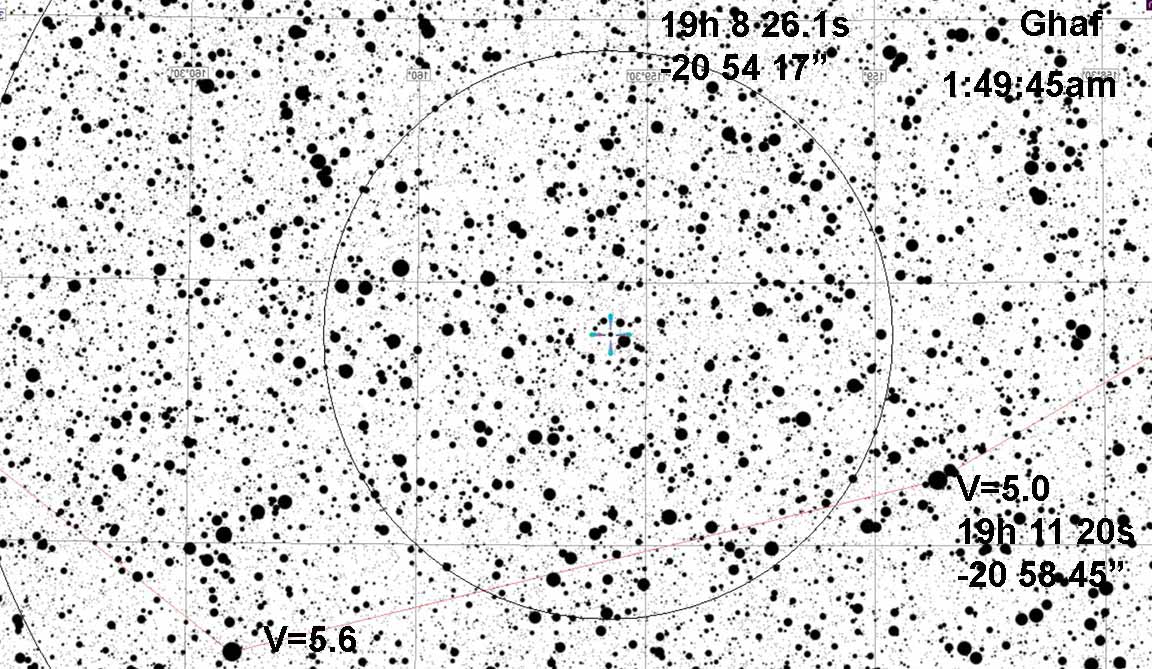
Using the star diagonal and Q70 32mm eyepiece gives the circle on the chart here, in proper orientation. |
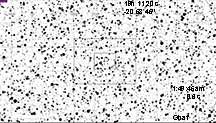
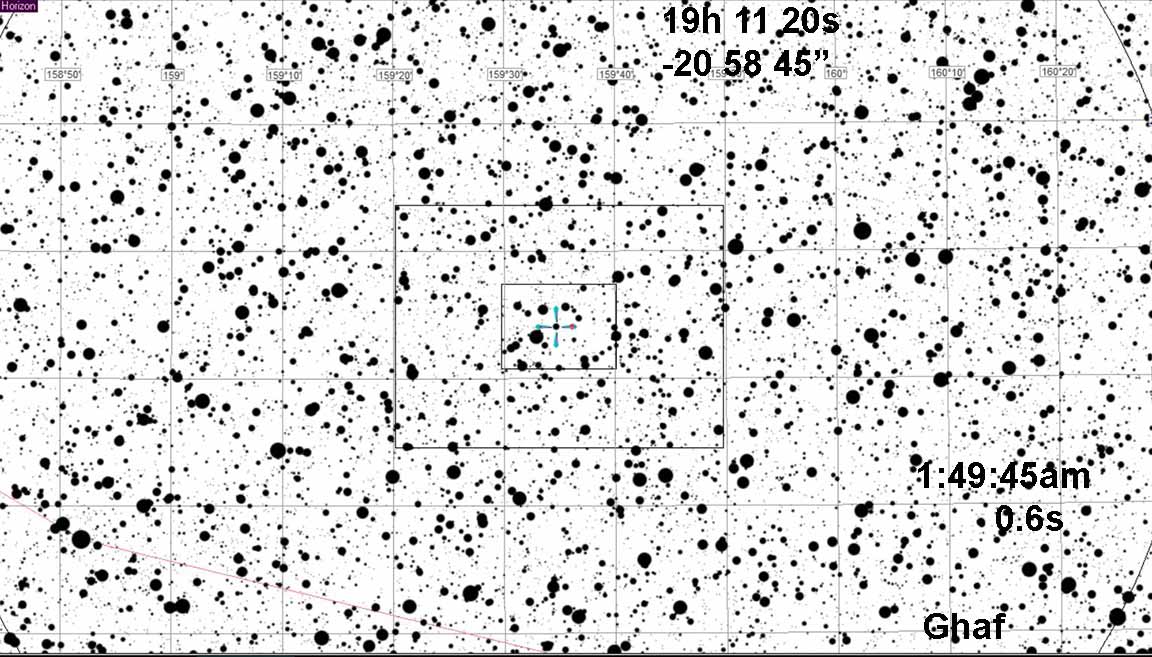
Then, remove the diagonal and screw on the f/3.3 reducer mated to the 1.25" adapter, insert the Watec camera, and rotate the camera so that the brass RCA video plug is up, and the view above will match, with the outer square being the field of view on the computer screen. |
GoogleMap drive |
|
|
Obseving Sites
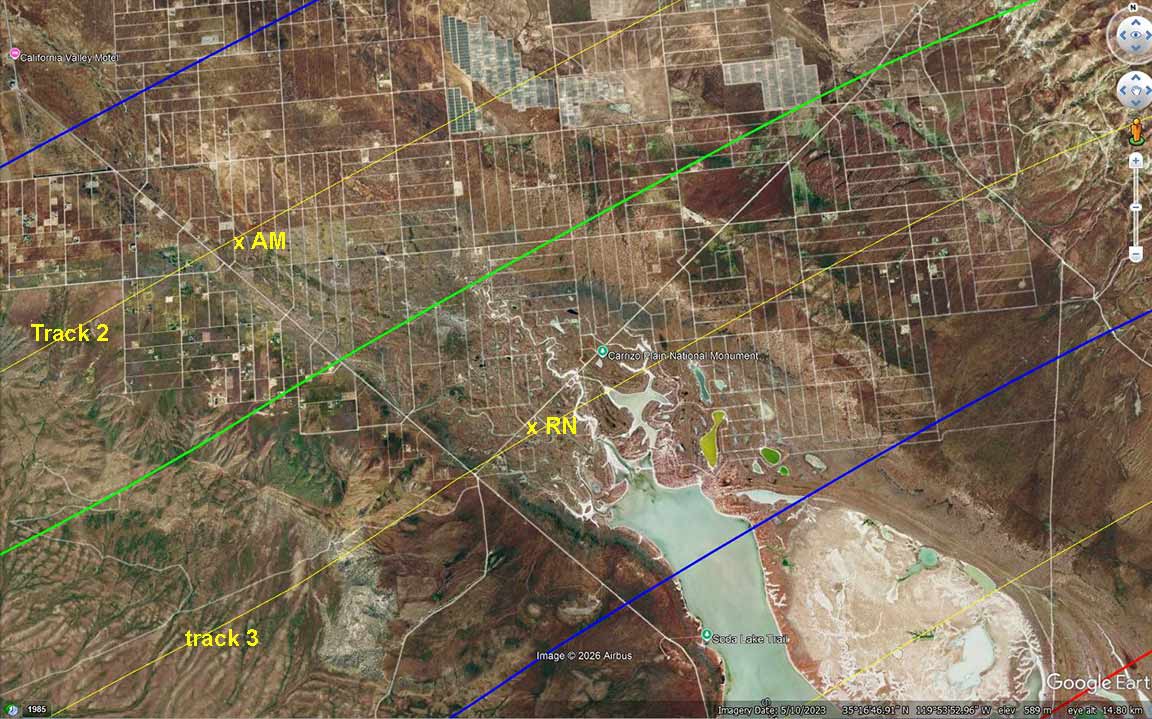
With Carrizo as the site area with the darkest skies and highest elevation cleanest skies, I've used the suggested elevation corrected KMZ files) tracks from Andrey Moore and found good sites for Andrey and me. The centerline is still open, waiting for a willing observer.
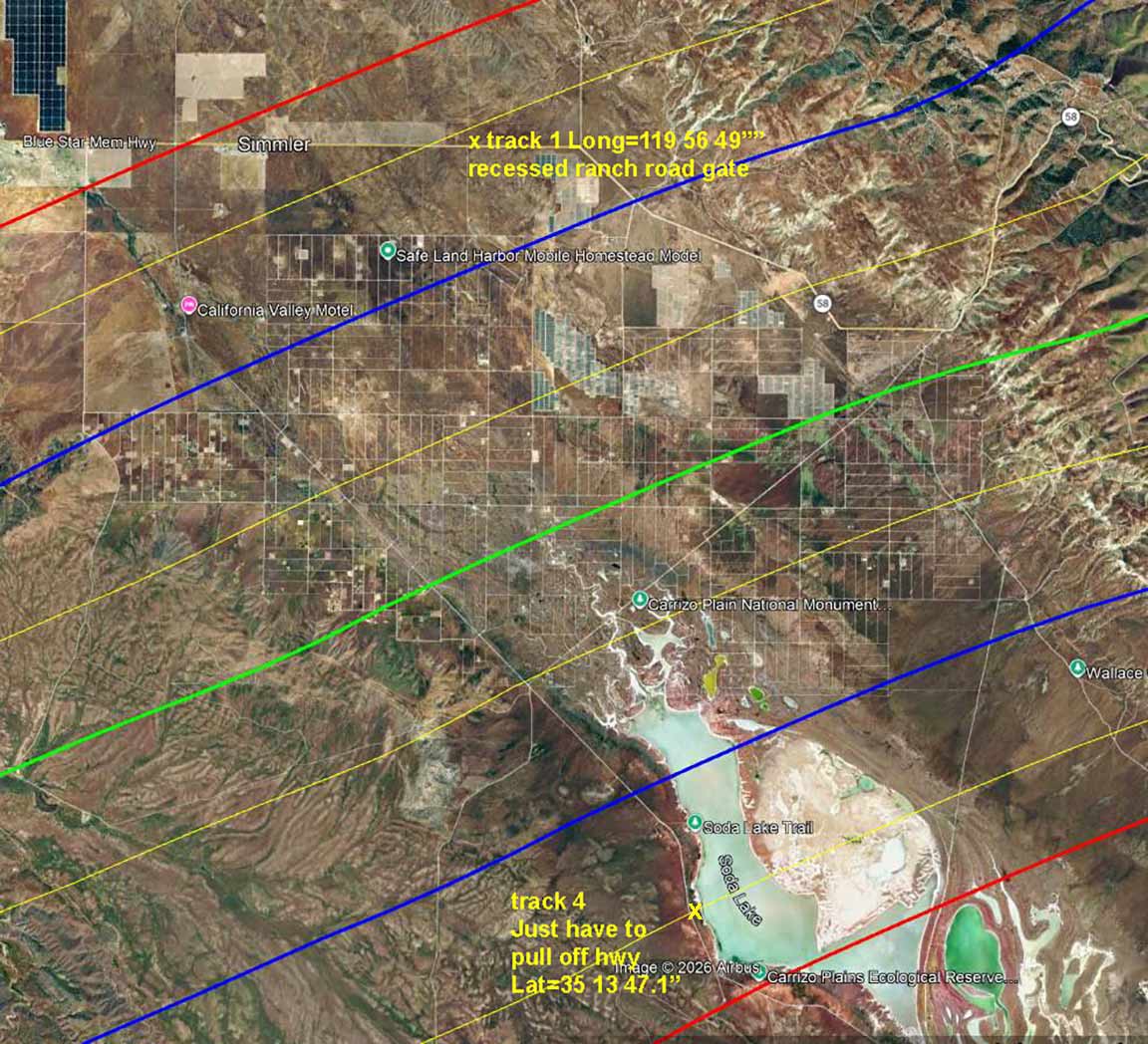
New Sites for Andrey and RN, still RN=Track2, Andrey=Track4. I'd propose we drive to Andrey's site, get set up, confirm he's ready, drive back to my site and wait for event. After wards, Andrey can drive back up to the Wallace Creek parking lot and we can compare observations and get some sleep before dawn and head back either together or separately as needed.
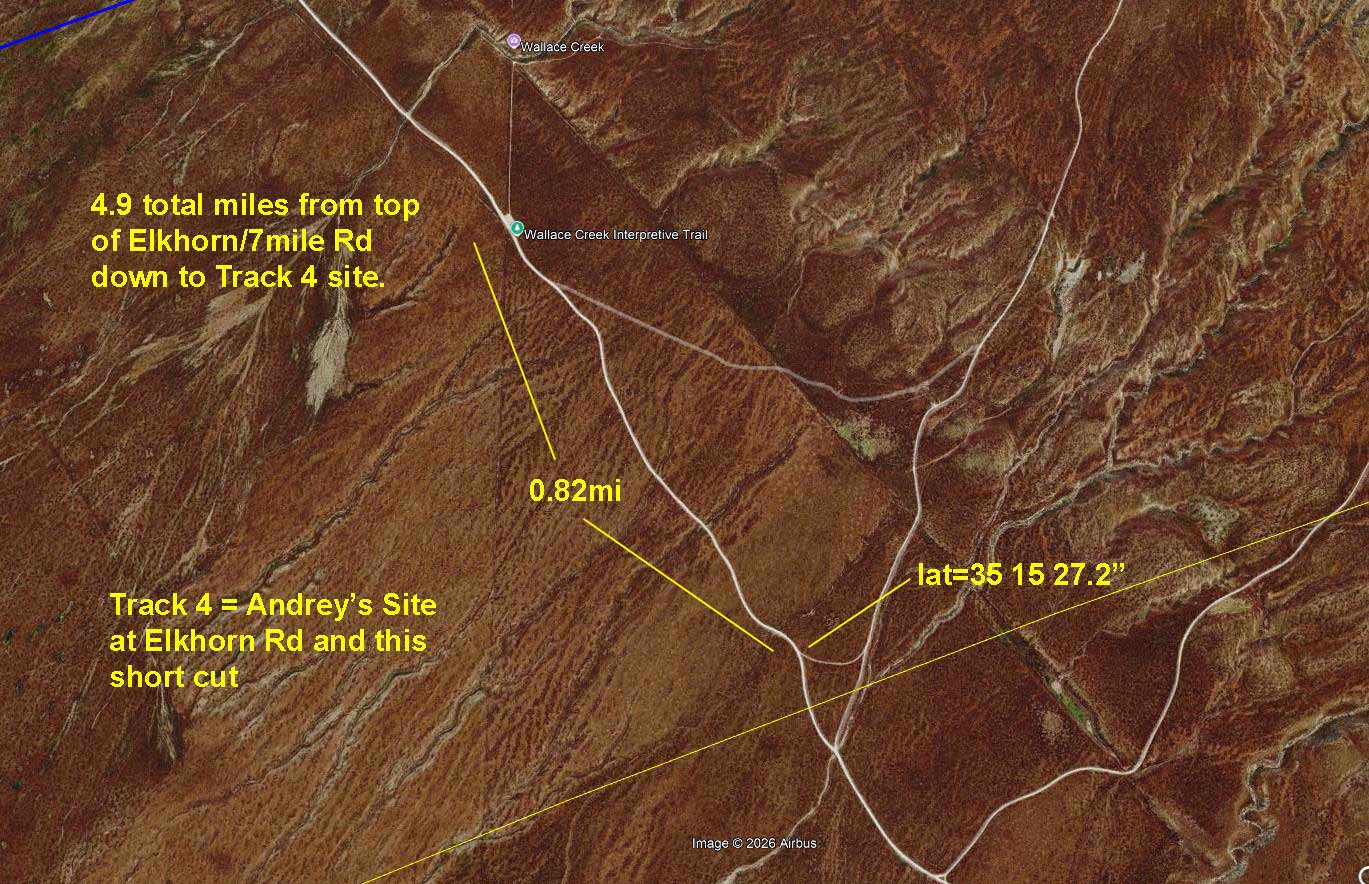
Note that Elkhorn rd is dirt, but hard pack and suitable for passenger cars, but we will want to drive slower to accomodate any washboarding. 4.9 miles total from the 7-mile Rd/Elkhorn Rd intersection down to Andrey's site. I expect to see no one on this dirt road during our trip, although not impossible as it's a weekend.
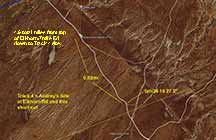
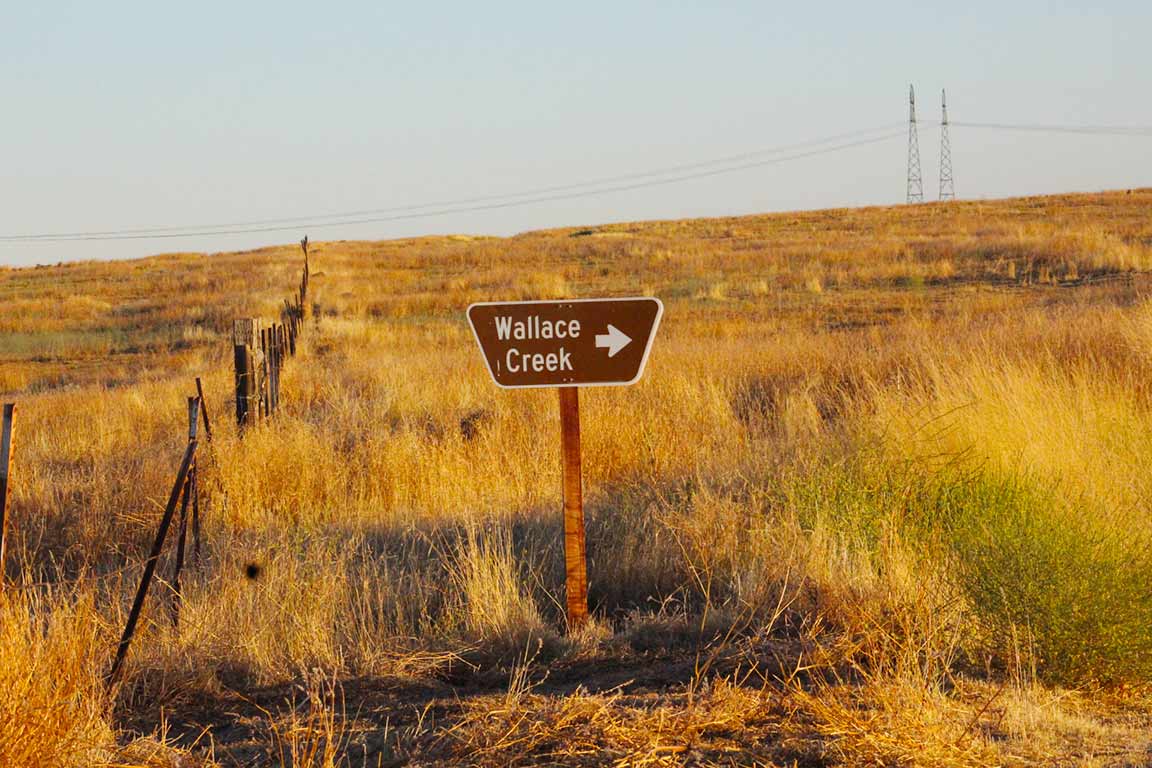
Andrey's site is 0.82 miles south of the Wallace Creek parking lot |
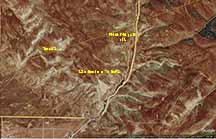
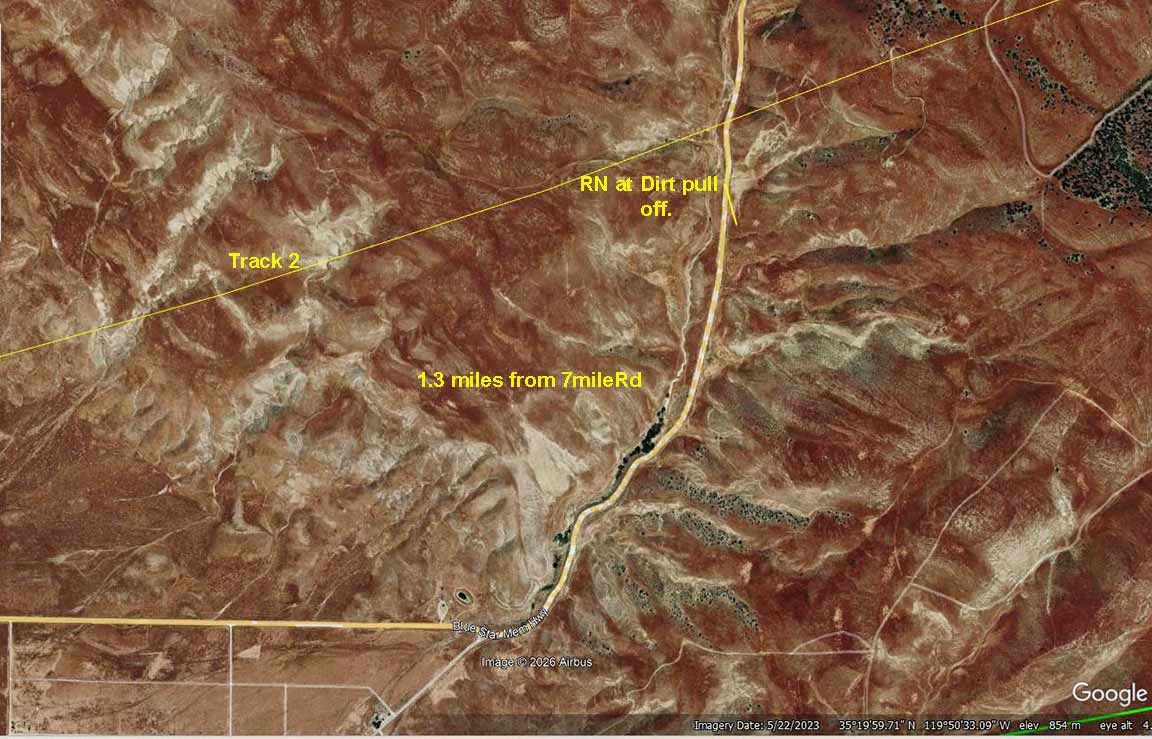
My Observing site, a hundred yards or so south of Track 2 elevation corrected track, on Hwy 58. |
|
|
Earlier plan, but now realizing better quieter sites can be had on the east side of Soda Lake so these site images were not used... Good weather for Vadim in South Dakota had us sticking to the original plan: Me and Andrey on Tracks 2, 4. And Vadim on tracks 1,3.
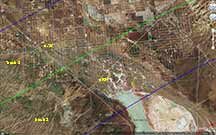
Carrizo Plain tracks 2, 3 and shadow lines |
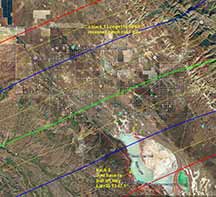
Outer tracks 1 and 4. Best to locate these using iPhone "compass" app which shows long and lat. Track 1 longitude is 119 56 49. Track 4 latitude is 35 13 37.1", and has no distinguishing features along that stretch of road. But you should be able to pull off into the grass, it's probably not a place you'd get stuck. Be careful to plant your tripod legs deep and secure. |
|
Results:
First look results are in, as I have just returned from Carrizo Plain, including iphone texts from Vadim right after his observations:
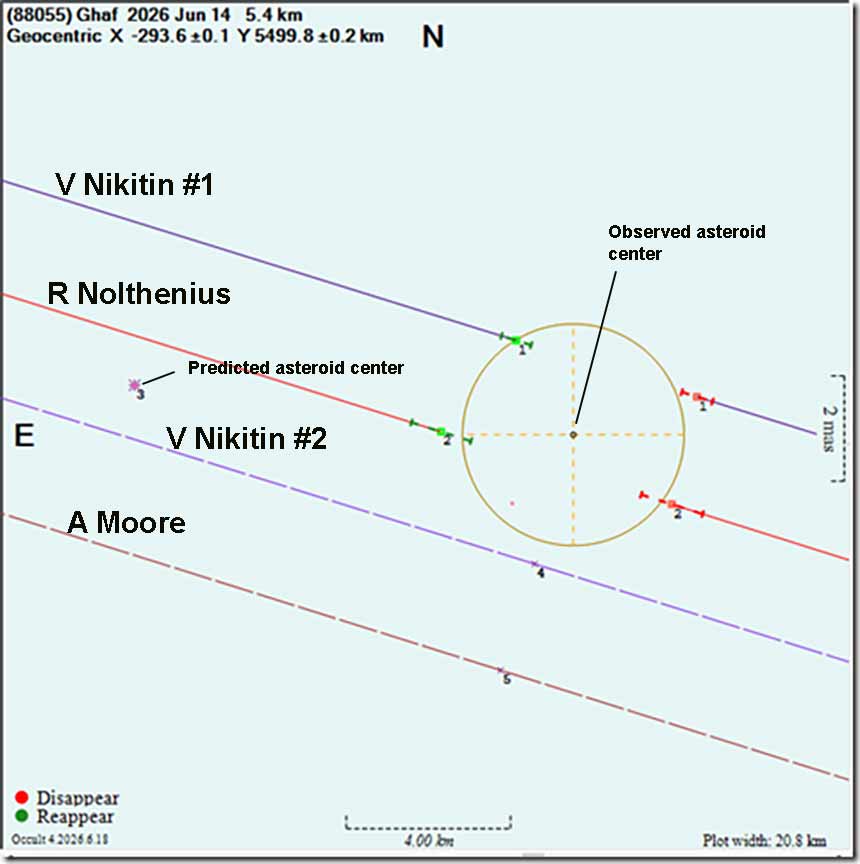
Track #1: Vadim's unattended station - a positive!
Track #2:
Nolthenius a ~half second positive at 4x Watec PAL integration. Perfect dark, calm, sharp conditions.
Track #3: An apparent miss but short event not able to rule out quite yet.
Track #4:
Andrey on Track 4: a miss
A big success! This will be very helpful in placing the observers of two larger planned expeditions in Australia in July to maximum effect.
Richard Nolthenius
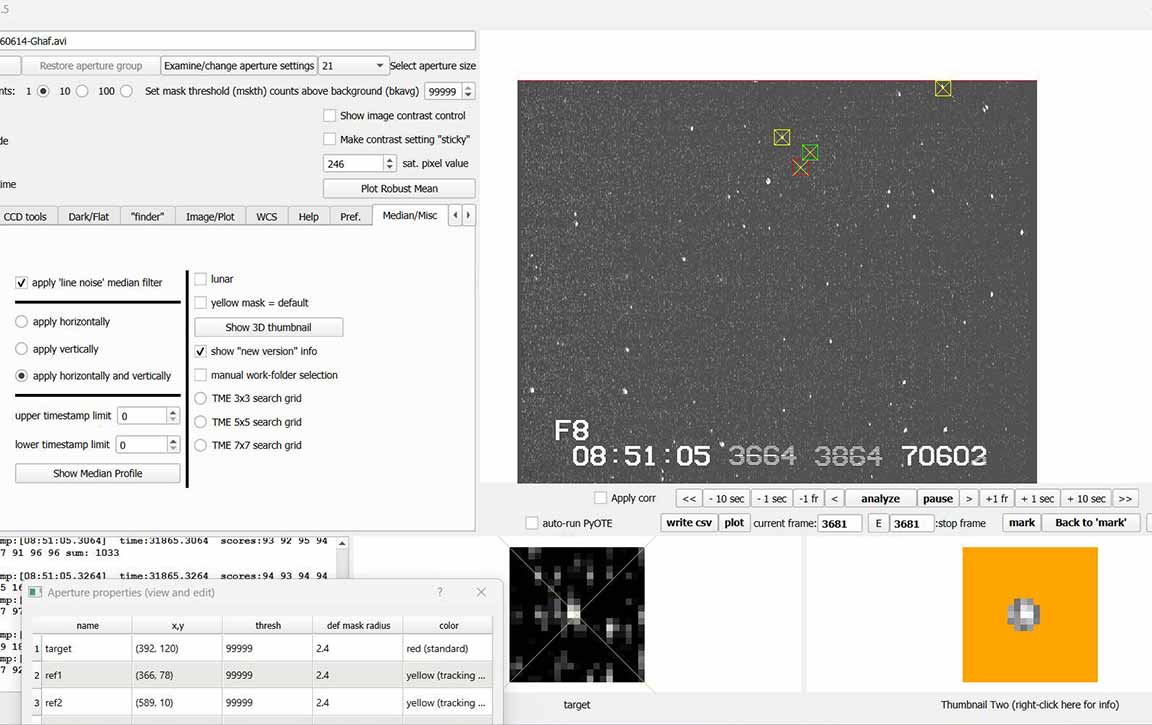
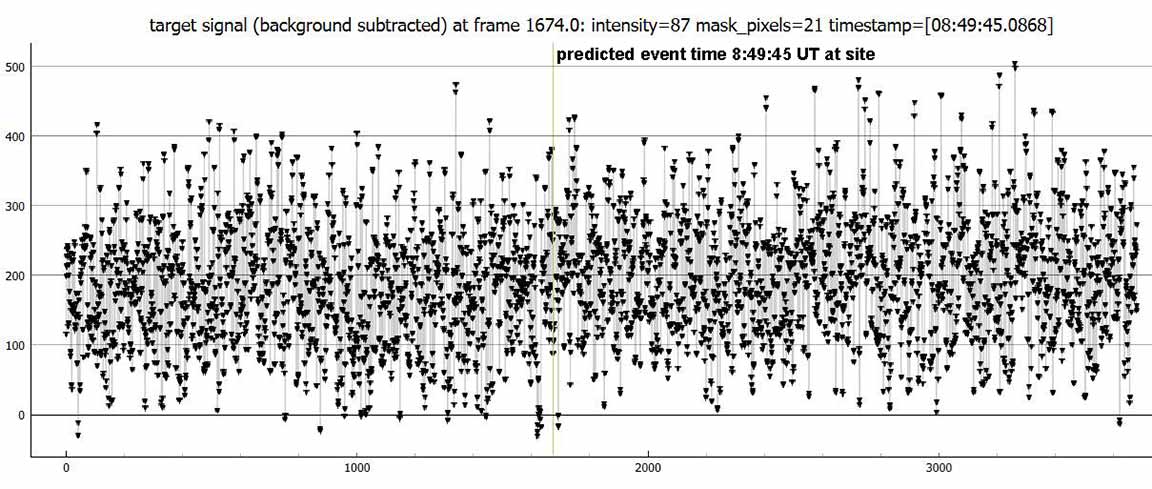
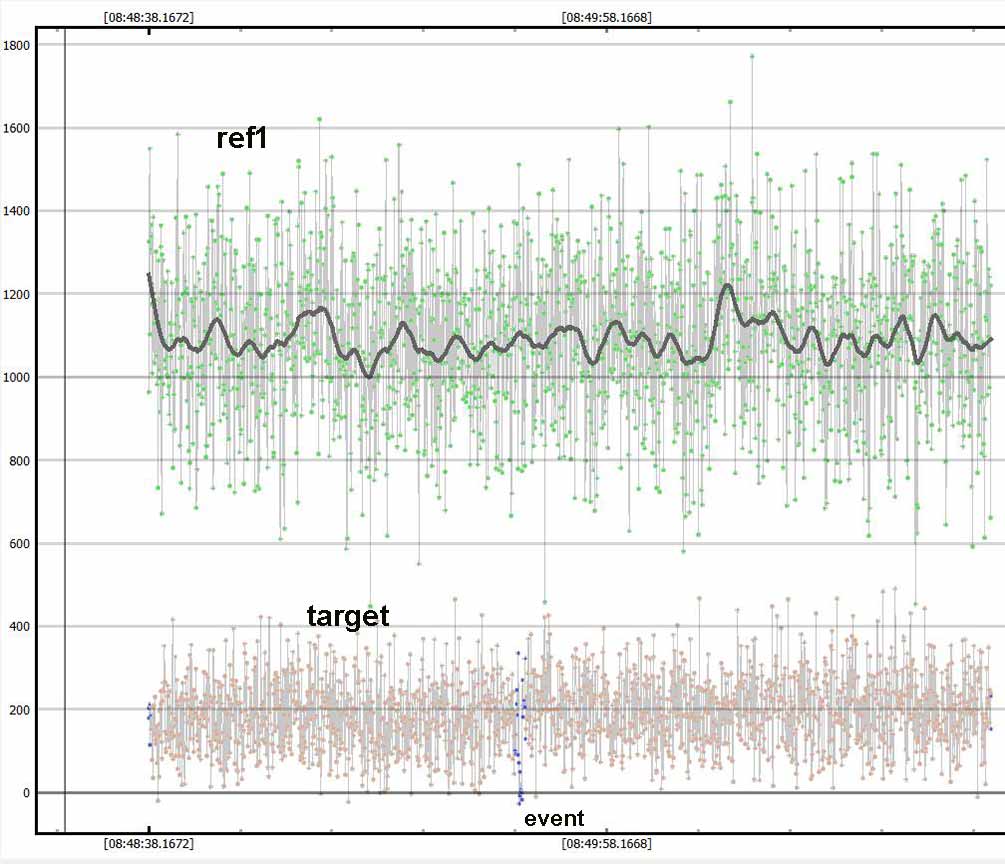
I used PyMovie to reduce the raw .avi. I used a PyMOvie mask size for each star which included nearly all target star light, and a minimum of sky pixels; 2.4px size for the mask. PyOTE found the proper block integration = 2 (ie 4x) which was indeed the setting. I set the metric interval to include all photometry points except those immediately around the occultation. The first PyOTE plot shows the resulting light curve for ref1 star and target. I chose ref1 star as it was the closest decently bright star to the target, it was also the first tracking anchor star. When at the telescope, I adjusted the IOTA Video Capture ver 2.4 "brightness" and "contrast" to make the star stand out best against the sky background and still give pixel values high enough to not be hurt by the 8-bit digitization. Brightness = and Contrast = looked best.
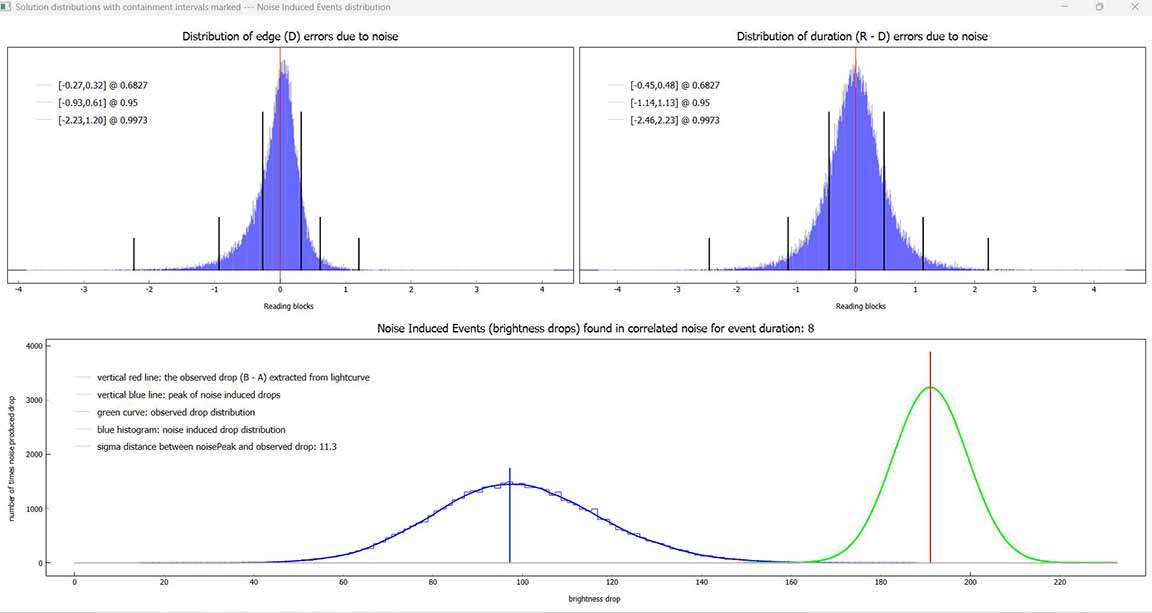
This is the square wave analysis from PyMovie/PyOTE choosing event duration range 6 to 22 points before "find event" command. There's some indication of Fresnel diffraction being significan and so a re-analysis is probably in order. But until then...
NIE test: 11.3 sigma
magDrop report: percentDrop: 99.7 magDrop: 6.220 too much noise; cannot calculate error bars
DNR: 2.23
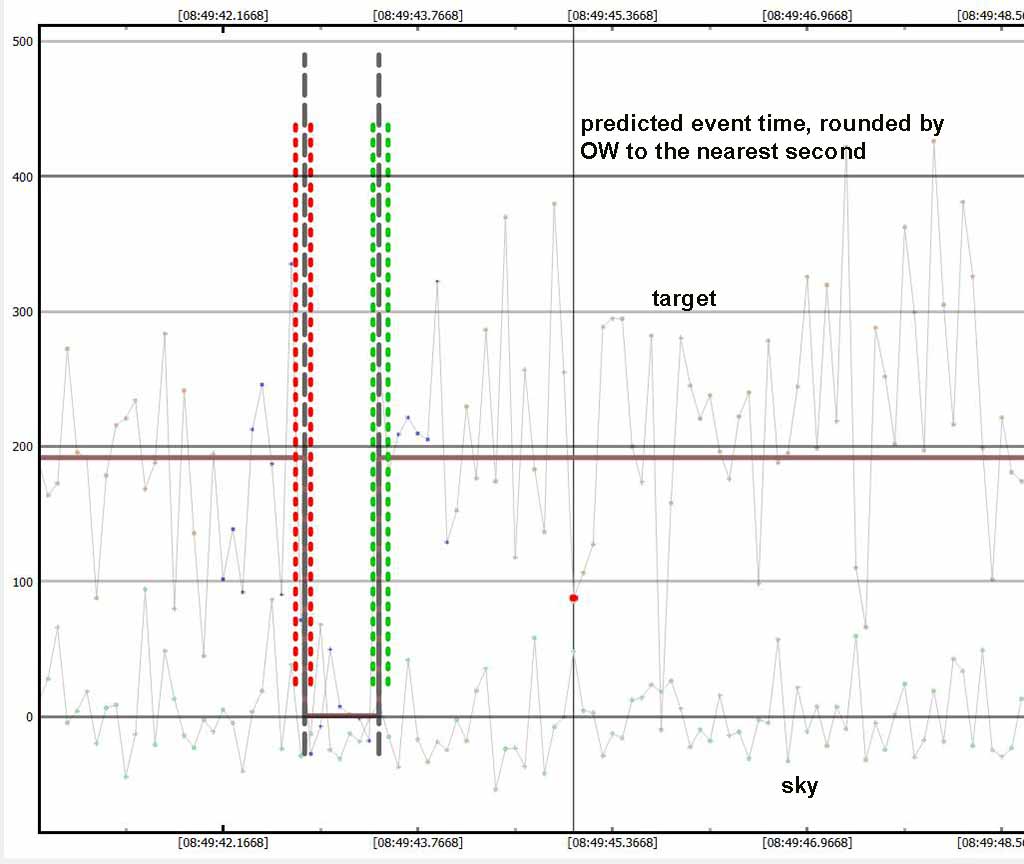
D time: [08:49:42.8365]
D: 0.6800 containment intervals: {+/- 0.0257} seconds
D: 0.9500 containment intervals: {+/- 0.0748} seconds
D: 0.9973 containment intervals: {+/- 0.1787} seconds
R time: [08:49:43.4468]
R: 0.6800 containment intervals: {+/- 0.0257} seconds
R: 0.9500 containment intervals: {+/- 0.0748} seconds
R: 0.9973 containment intervals: {+/- 0.1787} seconds
Duration (R - D): 0.6103 seconds
Duration: 0.6800 containment intervals: {+/- 0.0370} seconds
Duration: 0.9500 containment intervals: {+/- 0.0907} seconds
Duration: 0.9973 containment intervals: {+/- 0.1873} seconds
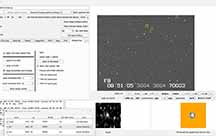
PyMOvie screen, at a typical frame. |
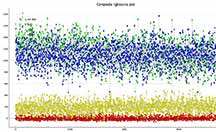
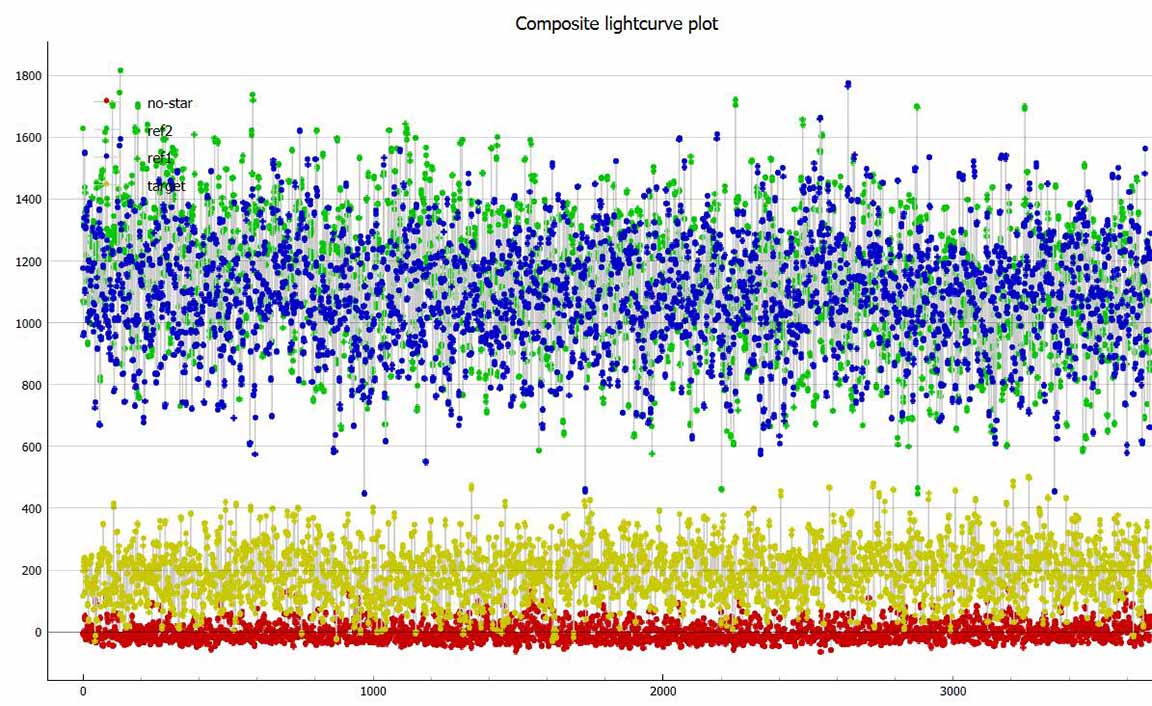
Target light curve in yellow, ref1 and ref2 in blue and green, sky (no-star) is in red |
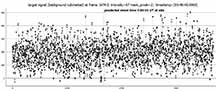
Target raw light curve |
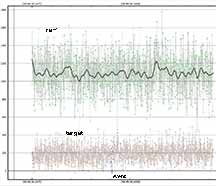
Target now calibrated against the nearest suitable star = ref1, and smoothing length which gave the best fit metric |
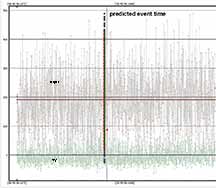
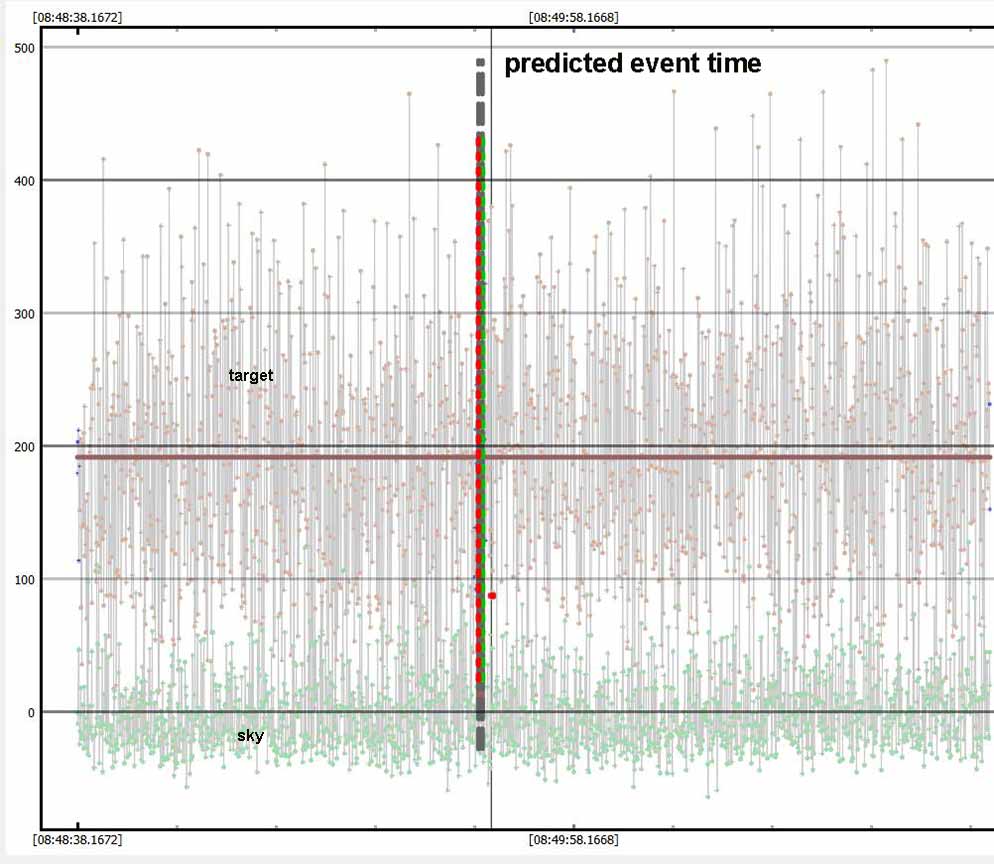
PyOTE was instructed to search for an event of duration between 6 points and 22 points, and detected the best candidate here, 2s before the predicted event time and matching the predicted max duration. |
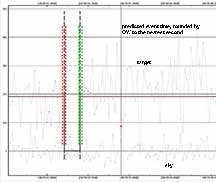
Zoomed in, we see the event was 2s before the predicted event time shown by OW at my site |
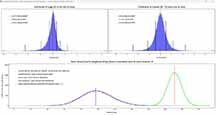
PyOTE's "Noise induced event" discrimination statistic. 11.3 sigma significance |
|
|
|
I would like to get or see a reduction which includes Fresnel Diffraction modelling, as the light curve looks to likely be better modelled this way. I submitted the above data to enable a quick astrometry to guide the Australia occultation coming in just a few days.
Combined Skyplane
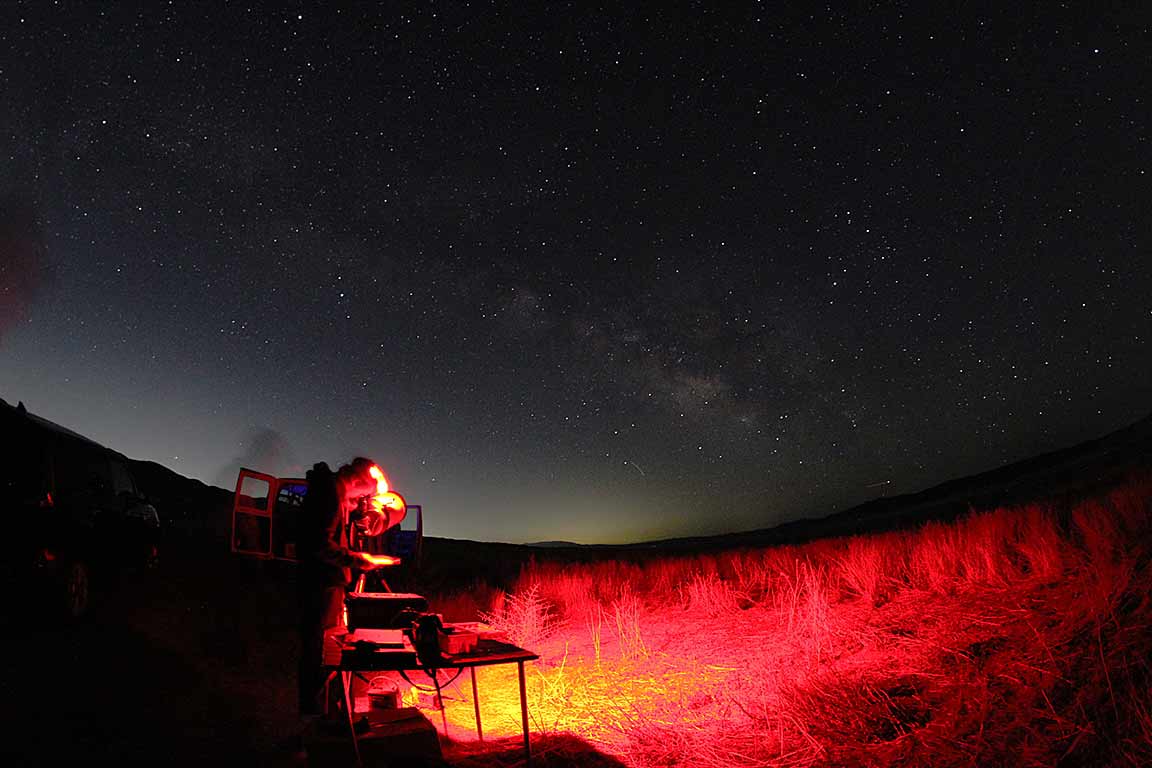
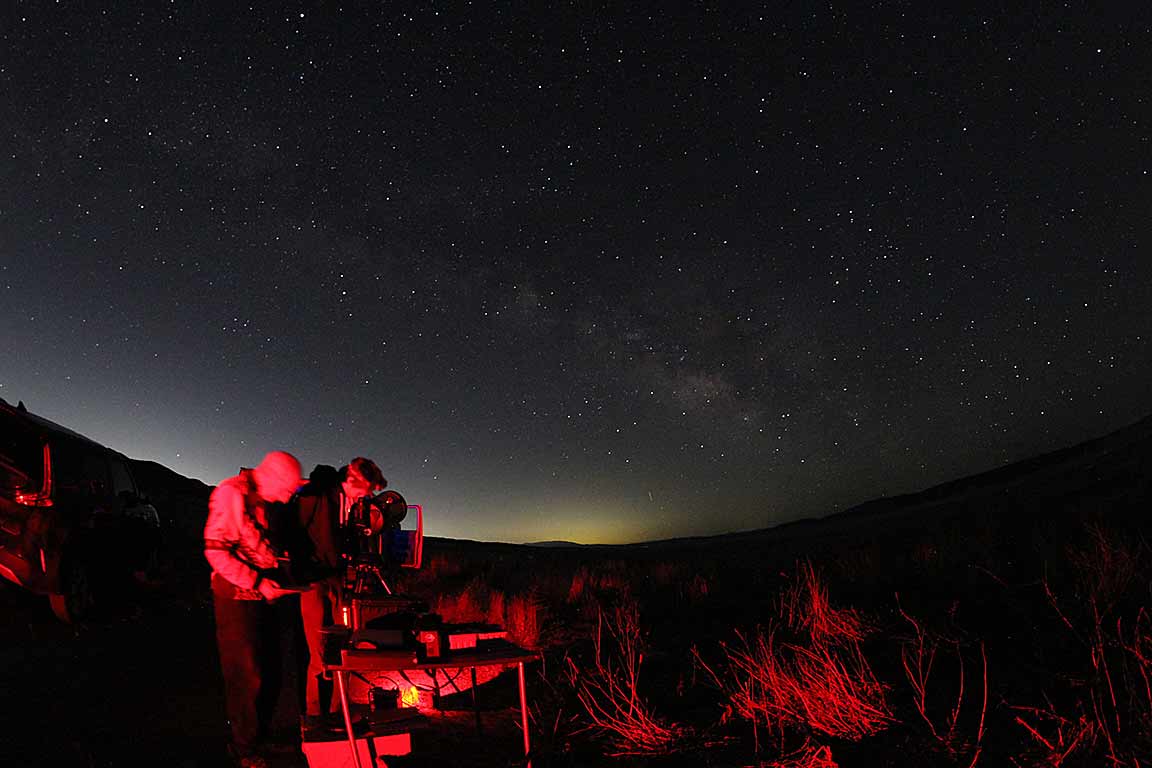
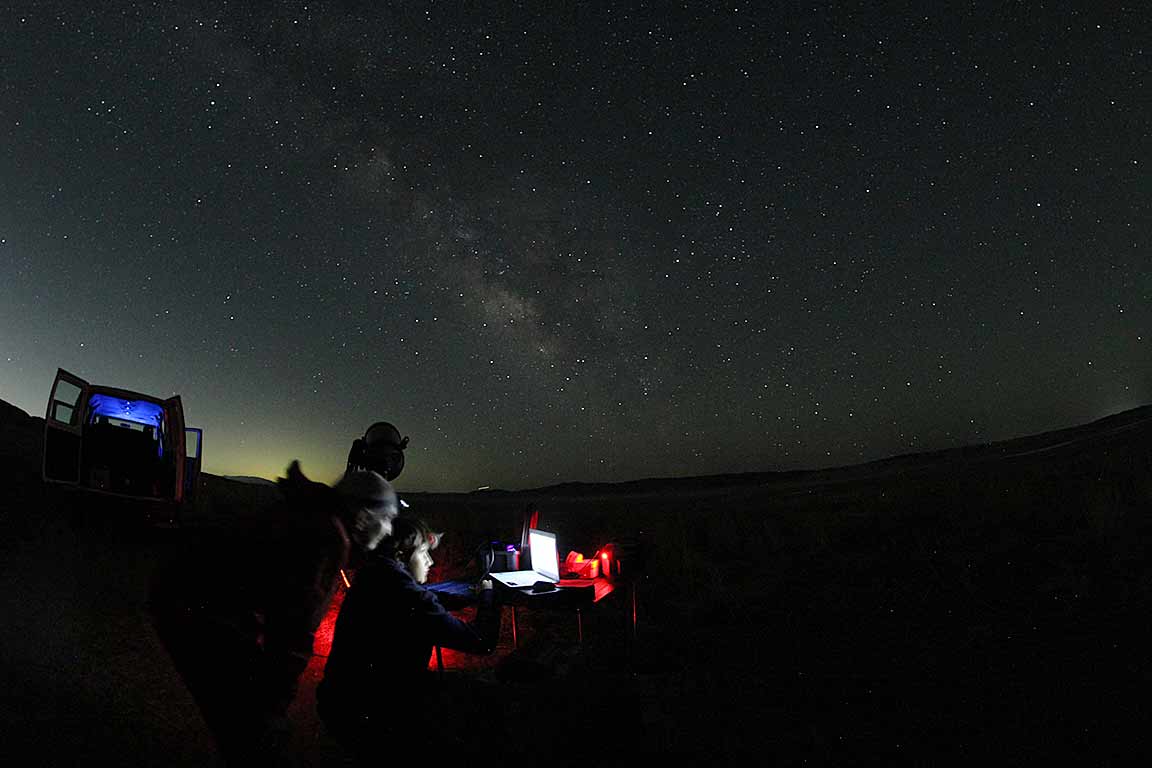
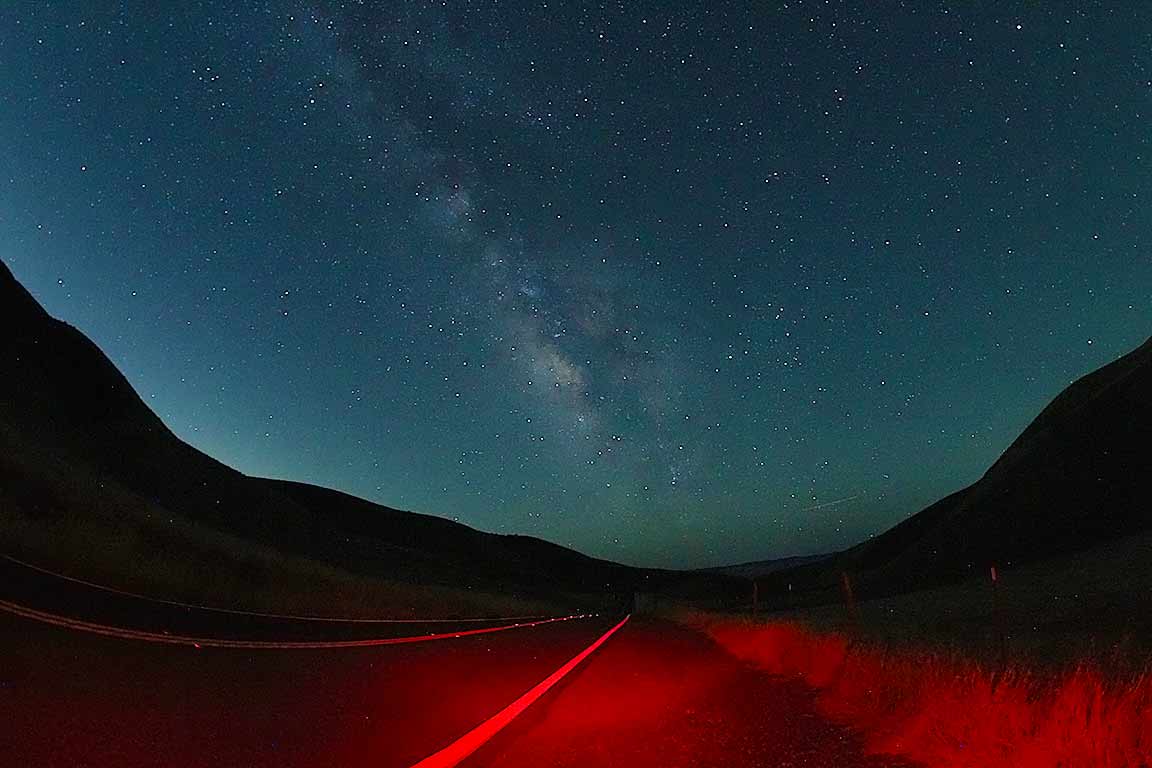
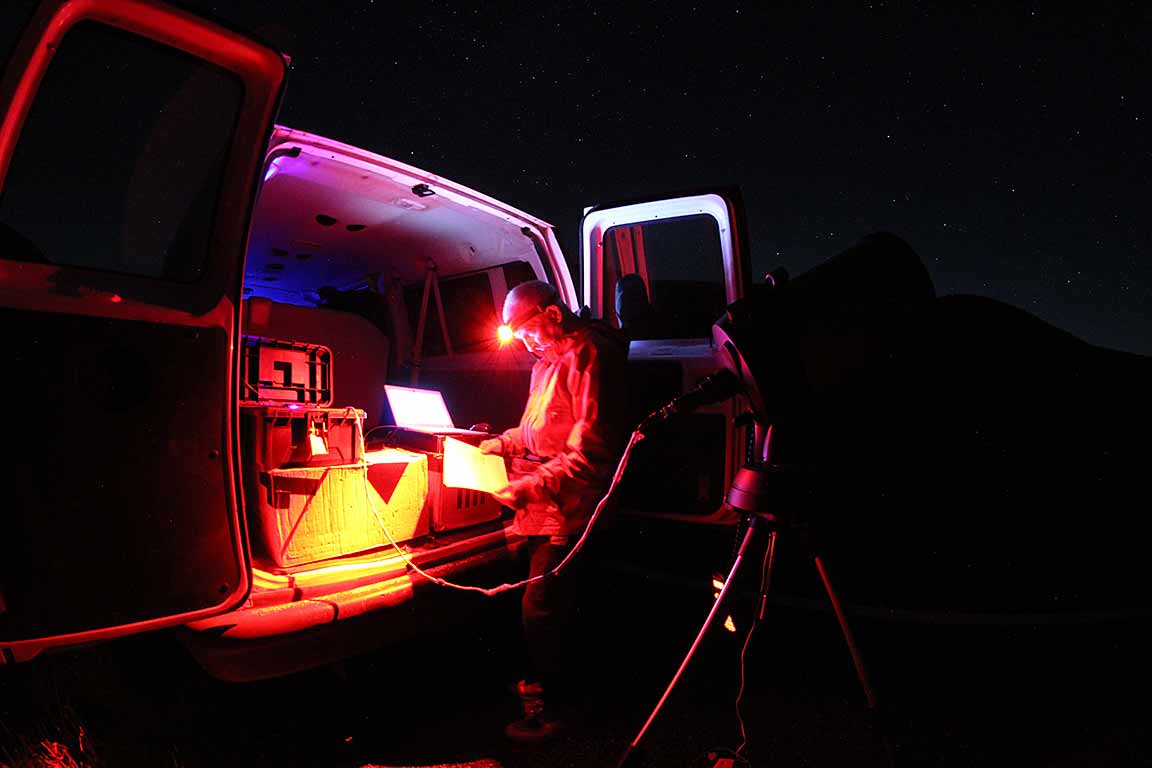
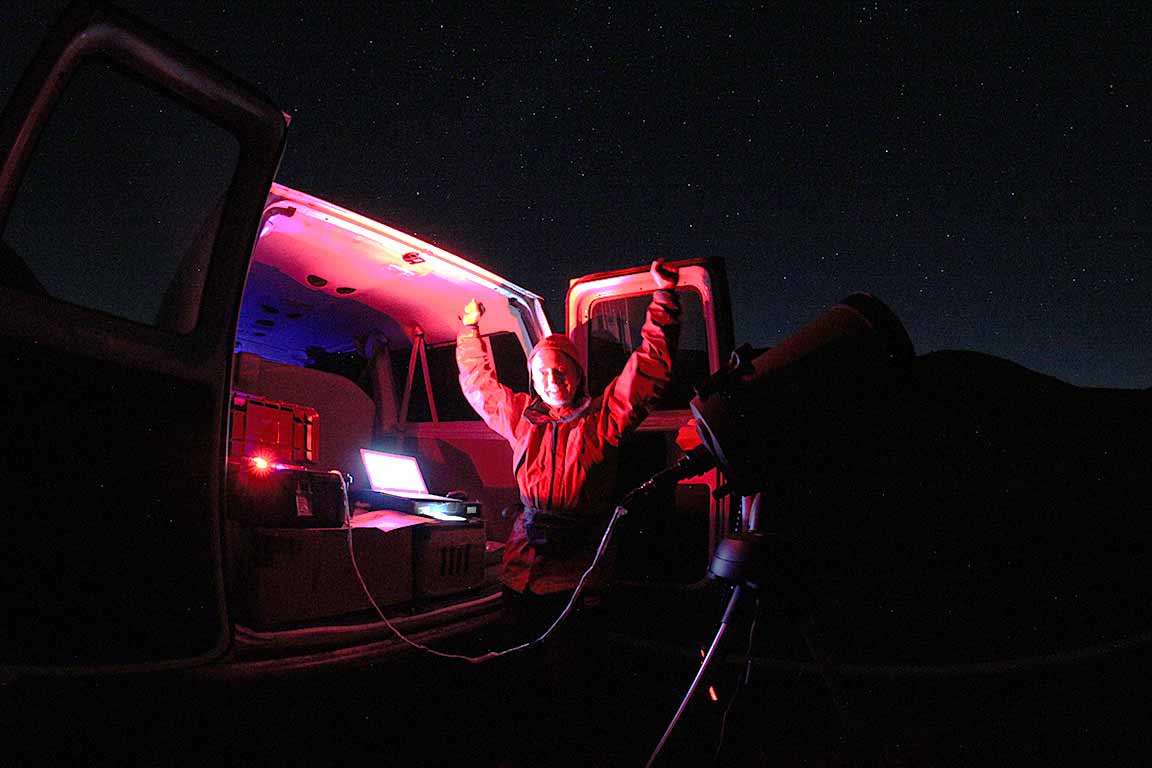
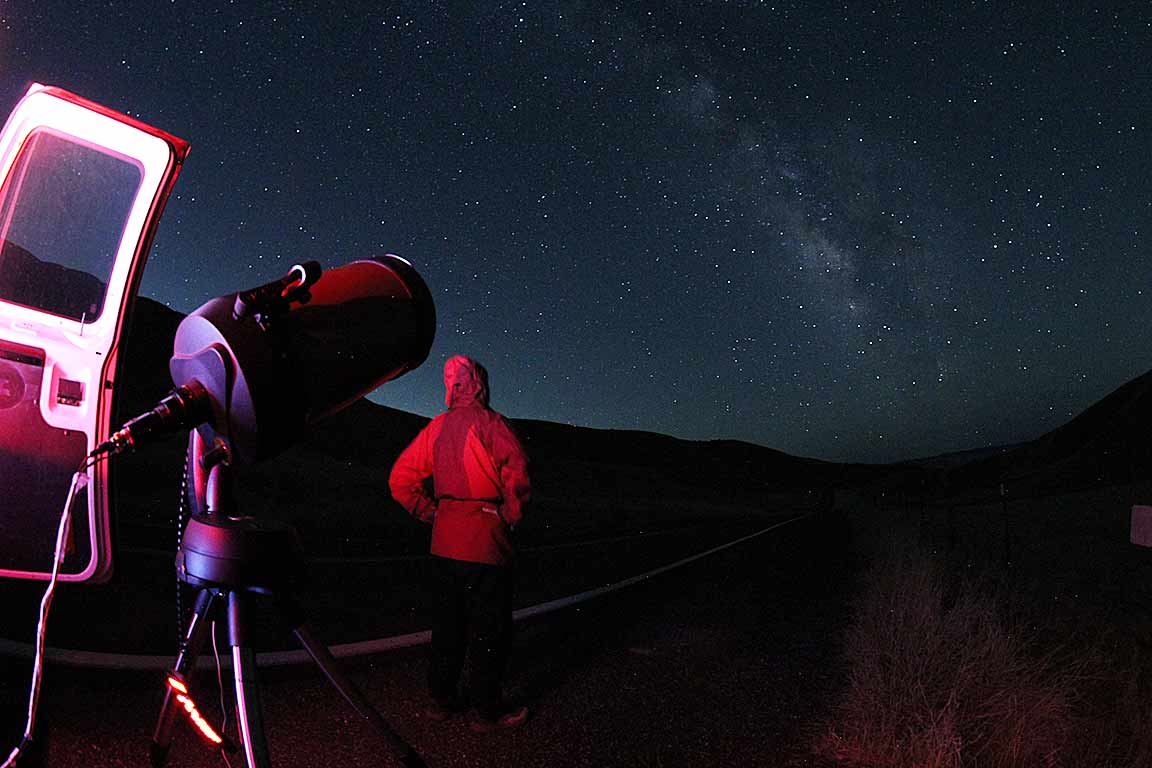
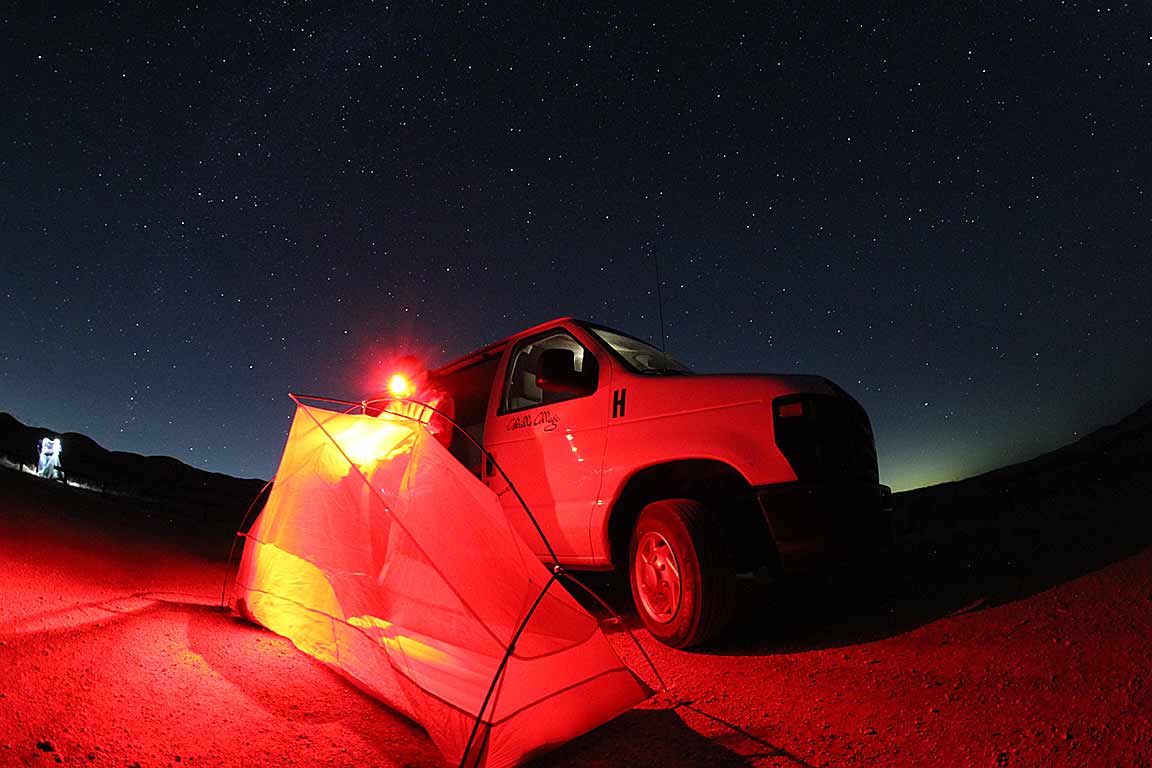
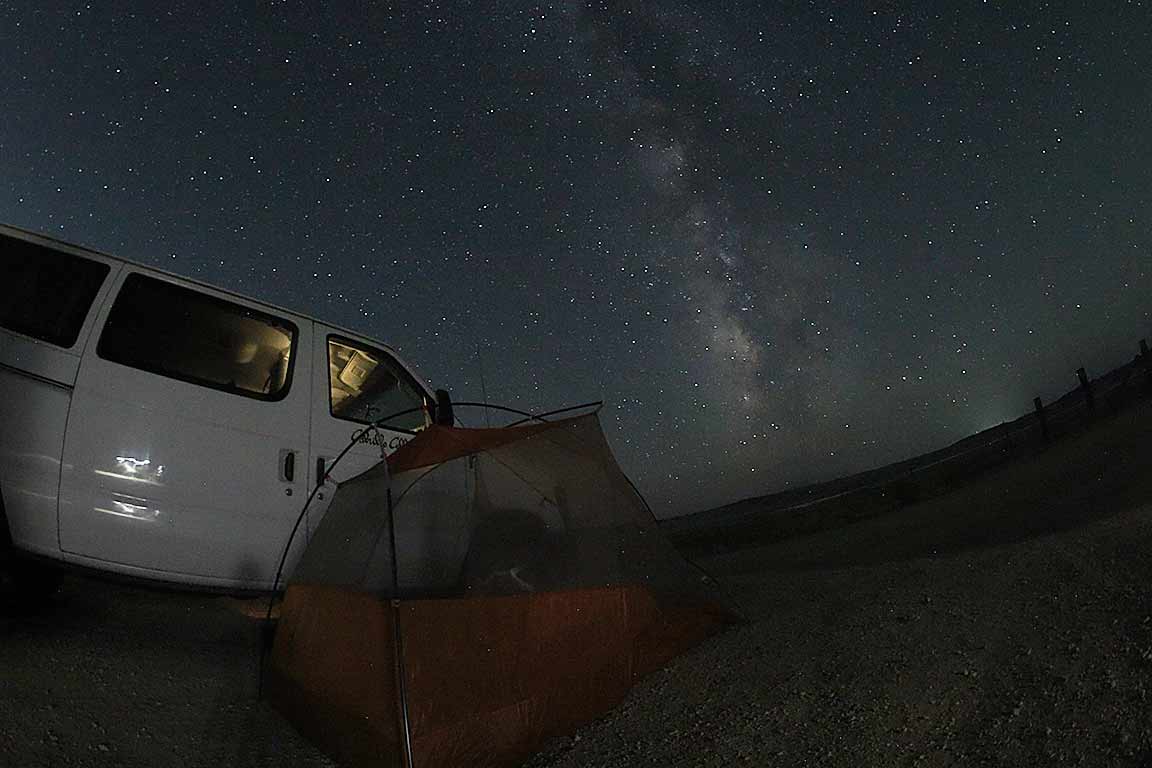
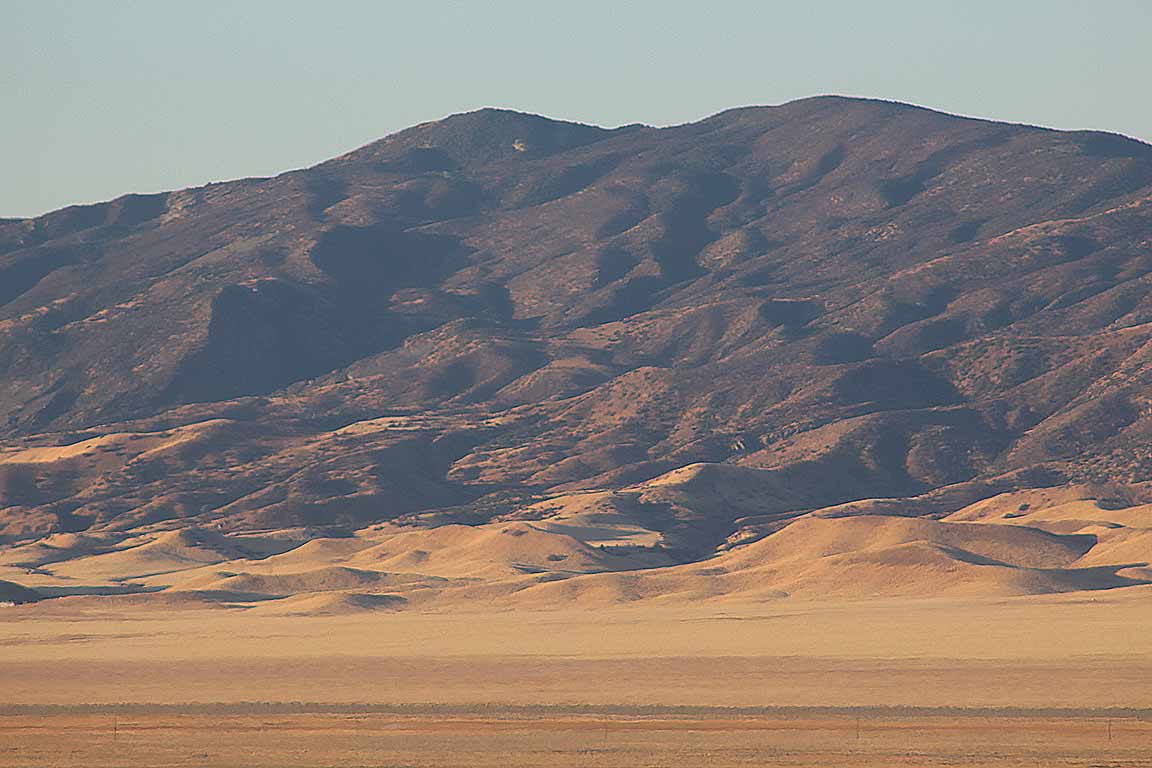
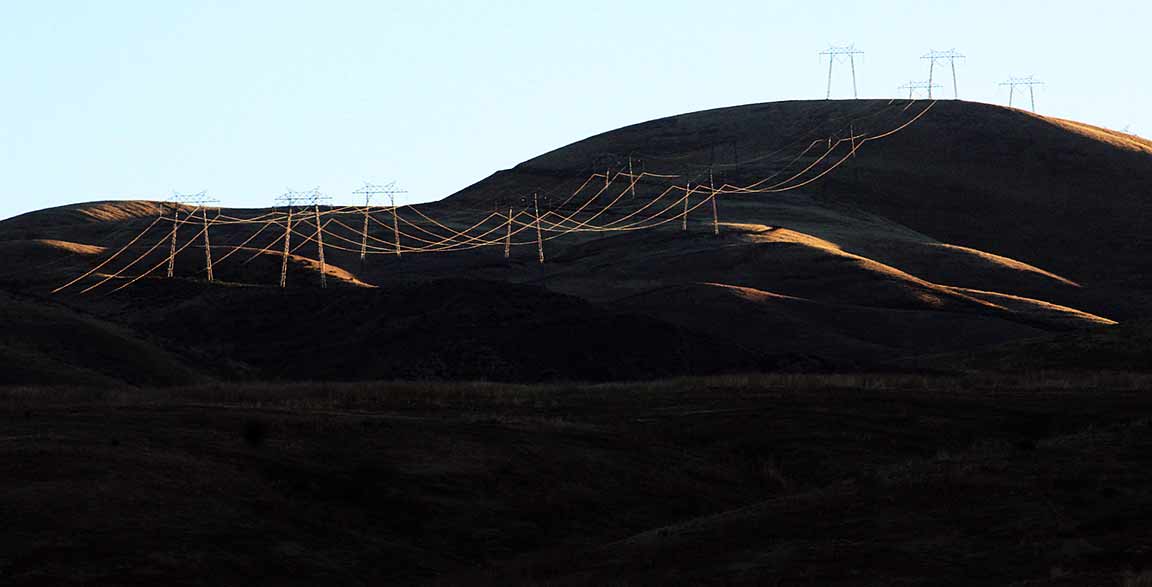
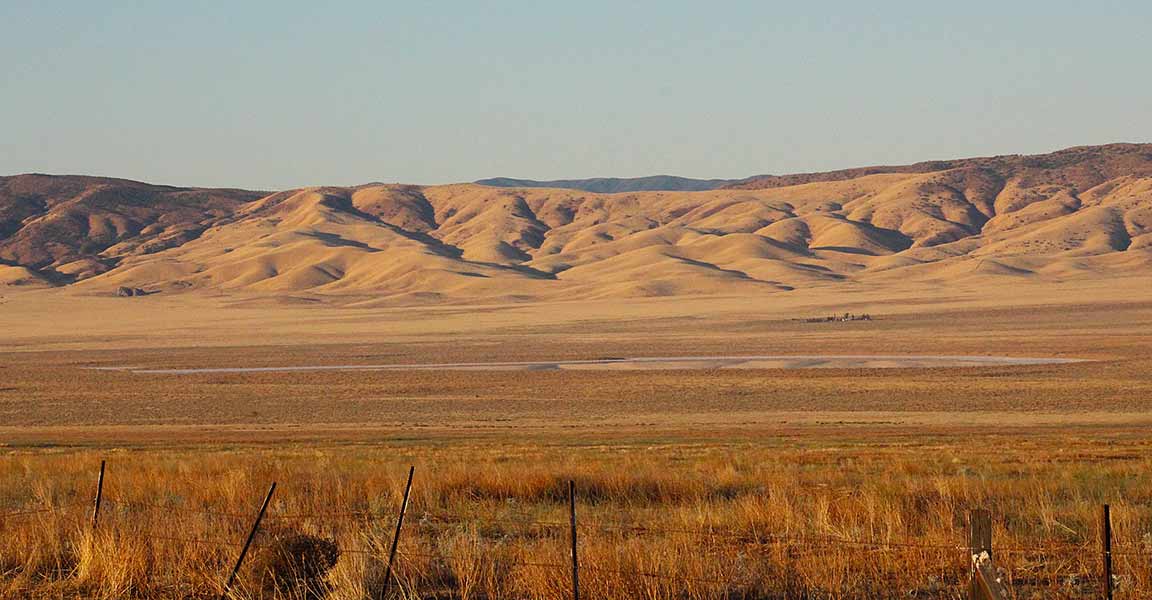
Photos of our set up and scenes...